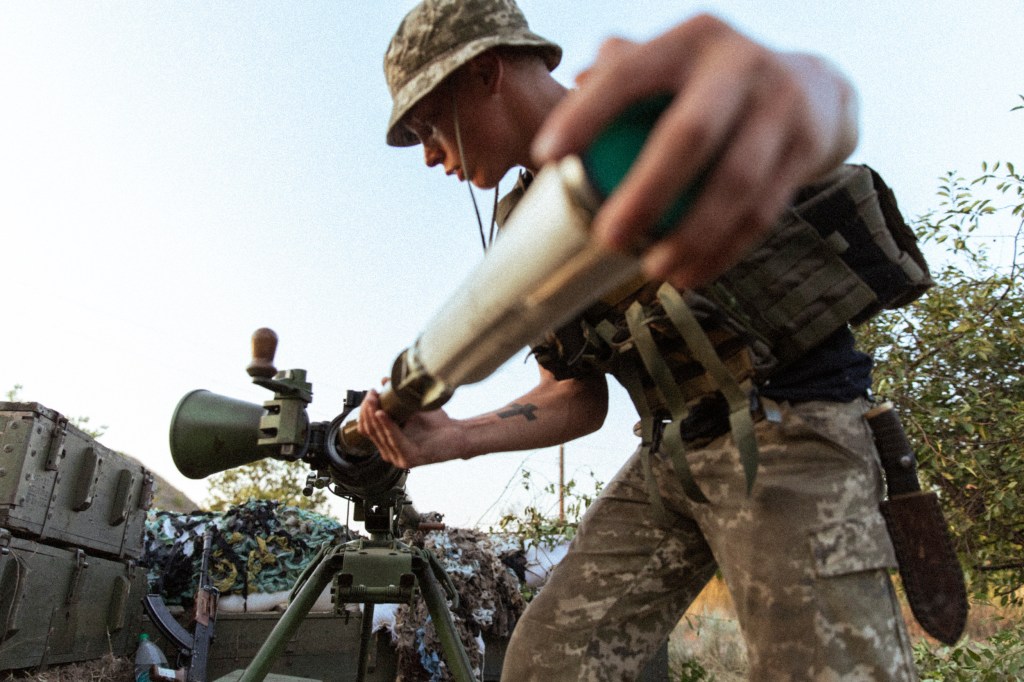
How did it start? Are there Nazis in Ukraine? We take a deep dive into the politics of a crisis.
In the annals of modern history, the Russia-Ukraine conflict stands as a pivotal and complex geopolitical struggle that has captivated the world’s attention. With its origins deeply rooted in history, politics, and regional dynamics, this protracted conflict has evolved into a multifaceted crisis with far-reaching implications. From the annexation of Crimea in 2014 to the ongoing skirmishes in eastern Ukraine, the conflict has underscored the fragility of international relations in the 21st century.
This comprehensive guide aims to shed light on the multifarious dimensions of the Russia-Ukraine war, offering readers an in-depth exploration of its historical antecedents, the geopolitical factors at play, the human toll it has exacted, and its impact on global affairs. By delving into the intricate web of alliances, territorial disputes, and power dynamics, we provide a nuanced understanding of this conflict that continues to shape the course of events in Europe that reverberate throughout the international community.
This guide is designed to provide a comprehensive overview of the conflict betewwn Moscow and Kyiv.
Why did Russia invade Ukraine?
Ukraine has received both lethal and non-lethal equipment to counter Russia’s ongoing war, which has persisted for over a year and resulted in a reported 8,000 civilian deaths according to UNHCR records. However, other sources, including a leaked US intelligence file, claim the death toll may exceed 350,000, though these figures remain unverified.
The conflict has had wide-reaching effects, including a surge in oil and gas prices, leading to record-high petrol costs. Additionally, it threatens food security and raises concerns about reduced consumer spending habits and increased inflation. We address common questions related to the war, and what it means for the political landscape and Ukrainians.
Since the dissolution of the USSR, former Soviet states, including Ukraine, maintained a complex relationship with Russia. This connection often stemmed from a combination of coercion and corruption. In the case of the Kyiv government, it was primarily characterized by lawlessness, as the people struggled to alter the trajectory of their nation due to prolonged periods of corrupt leadership.
In 2013, Ukraine faced a pivotal moment when its president, Viktor Yanukovych, a longtime ally of President Putin, declined to sign an association agreement with the European Union. Yanukovych argued that this move would lead to economic instability in Ukraine, a decision that left many Ukrainians who aspired to join the EU deeply frustrated.
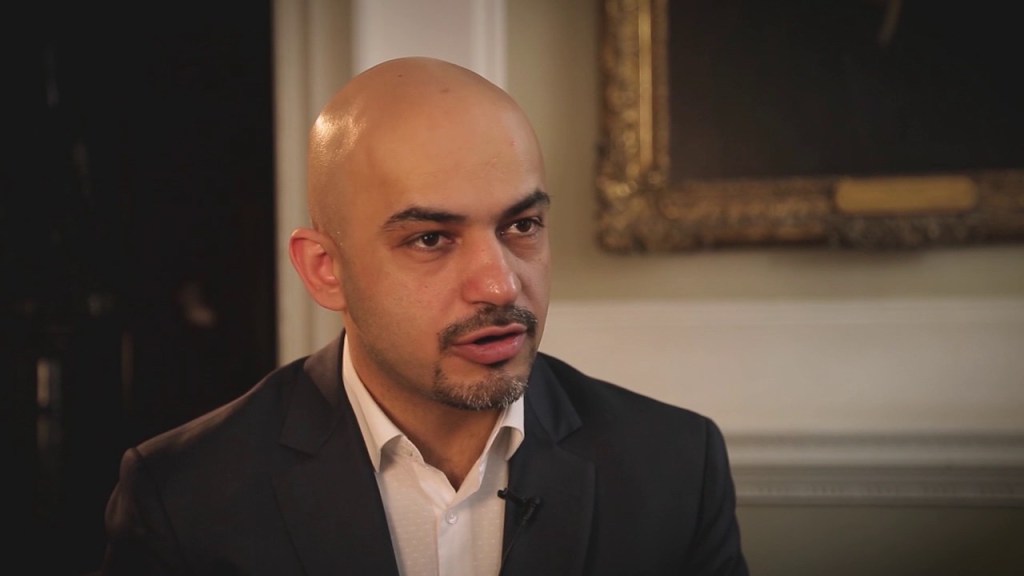
Millions of Ukrainians took to the streets, inspired chiefly by journalist Mustafa Nayyem, a former Afghan refugee, who published a Facebook post urging Ukrainians to assemble in Maidan Square. The response was overwhelming, with millions heeding the call and maintaining a presence there until the Yanukovych administration ultimately resigned and sought refuge in Russia, under the shelter of President Putin. Yanukovych remains in Russia to this day.
Following these events, unknown sniper units tragically killed 100 protestors. Shortly thereafter, separatist units, backed by covert Russian forces, made attempts to seize control of several cities, with a focus on city halls in Kharkiv, Luhansk, Donetsk, and Kramatorsk. However, they were met with resistance and were repelled by the Ukrainian armed forces and other volunteer groups.
A more predictable front line took shape after a 2015 ceasefire agreement was brokered by multiple parties, including Russia and Ukraine. Although sporadic clashes and skirmishes persisted, it was not long before Russia launched a full-scale invasion in the country.
Both sides are accused of human-rights violations.
Misrepresentations of right and left leaning politics
The country’s perspective on left and right-wing politics differs significantly from the Western perception, particularly when viewed in the context of the former Soviet era. While the US and Europe often portrayed the former USSR as left-leaning, Marxist, or Communist, the reality was quite different. In practice, the Soviet regime exhibited tendencies aligned more with the far-right, characterized by the concentration of wealth among the elite, the existence of slave labour camps, and the presence of secretive police groups.
This distortion of left-wing politics left Ukrainians with a distinct view of political spectrums worldwide, shaped by their experiences under Soviet rule and influenced by Western propaganda.
Multiculturalism as a foreign concept
In Ukraine, there exists a genuine affinity for South Asian entertainment, particularly Bollywood music and cinema. Some are well-versed in screenplays and other aspects of the culture. However, Ukraine’s understanding of global cultures often relies on stereotypes propagated by Western interpretations, both in news media and entertainment.
A personal anecdote illustrates this. When conversing with Ukrainians about Muslims, their perspectives often mirror those portrayed in the news media, as real-life interactions with Muslims are relatively scarce. Consequently, their expectations when meeting Muslim people tend to align with narratives they’ve consumed via media until corrected by firsthand experiences.
Despite a yearning to join the European Union, aspirations to do so may not fully align with the perspectives and values of many Ukrainians. The majority of the population lacks a well-rounded understanding of multiculturalism, primarily due to the prevalence of a Western-influenced, predominantly white demographic. While there are spaces within Ukraine for an egalitarian society, the nation’s traumatic experience during Russia’s invasion has generated tension and led many to seek refuge abroad. This has led some to discover a widened multiculturism, which has in turn fostered an aversion to different groups.
Leaving Ukraine posed a significant challenge for South Asian and Black students, a harrowing situation that has been extensively covered by several news outlets. Shockingly, authorities at the border with Poland prioritized pets over human lives during this crisis. Disturbing reports emerged of refugees who were not native to Ukraine, particularly non-white individuals, who faced brutal beatings and were denied access to transportation to safety, leading to instances of emergency treatment for hypothermia.
The responsibility for preventing their access to neighbouring countries remains a source of frustration and uncertainty, with the question of whether it was Polish or Ukrainian authorities who played a role still unresolved. What compounds this already dire situation is the involvement of civilian nationalist groups in these events, further exacerbating the challenges faced by vulnerable refugees desperately seeking safety.
Is Ukraine receiving greater support than other conflict hit nations?
It’s undeniable that Ukraine has received a level of favouritism and praise that stands in stark contrast to how other nations enduring conflict have been treated. While Ukraine benefits from a no-questions-asked policy for refugees fleeing the country, other nations facing similar challenges have often been shunned or even criticized.
The international intervention in Ukraine differs significantly from that of other conflict-ridden nations, with an unprecedented worldwide rescue operation mainly carried out by Western and superpower nations. Ukraine has seen substantial contributions to its GDP, along with consistent and contrasting media support, painting a picture of its people that others might not receive.
The invasion of Ukraine has undoubtedly sent shock waves across the world, impacting international economies and food supplies. However, amidst the chaos, Ukraine’s preoccupation with its own concerns has sometimes overshadowed the need to acknowledge catastrophic events elsewhere, reflecting a certain attitude within the government.
What military equipment has Ukraine received?
Ukraine has seen a substantial influx of military aid, amounting to nearly $50 billion, in a relatively short period. This aid includes a wide array of lethal and non-lethal equipment, ranging from the UK’s Challenger 2 battle tank to the United States’ contributions of the M1 Abrams tank and Stryker armoured vehicles. Notably, NLAW anti-tank weapons and Bayraktar drones supplied by the Turkish government have proven to be invaluable assets.
In recent discussions, the possibility of sending fighter jets to Ukraine has emerged, a move that could potentially shift the balance of power in the ongoing conflict, but also carries the risk of escalating violence.
How much of Ukraine does Russia control?

Russia initially employed a pincer strategy in its attempts to invade Ukraine, but this approach eventually faltered. In an effort to maintain its stance (and arguably, its credibility), Putin’s government re-positioned its troops on the eastern front. This manoeuvre led to an expansion of territory already claimed in Donbas, accompanied by sporadic shelling of major Ukrainian cities.
Ukraine’s counter-offensive is ongoing and could potentially intensify if Moscow manages to secure support from its allies for additional weaponry. The situation remains fluid and complex, with significant implications for both Ukraine and the broader geopolitical landscape.
Are there Nazis in Ukraine?
The presence of far-right sympathizers is not exclusive to Ukraine. Accusations of Nazism and far-right activity within the country, particularly in the realm of football, have always been present, especially in the lead-up to the 2012 European Championships. However, the situation is not so straightforward.
While there are indeed groups, such as the Azov Battalion, that have displayed flags and symbols associated with Nazism, it’s essential to recognize that similar elements can be found in various countries and armed forces worldwide.
For instance, in the United States, there have been reports of far-right-leaning militias and individuals within the military. These individuals may not openly display Nazi flags, but concerns about human rights violations and controversial practices, such as those associated with Guantanamo Bay and Abu Ghraib, are well-known.
In summary, while there have been instances of far-right activity in Ukraine, it’s crucial to approach this issue with a balanced perspective and avoid making sweeping generalizations about the country as a whole. Far-right elements can exist in many nations, and the presence of such groups does not define an entire population or military.
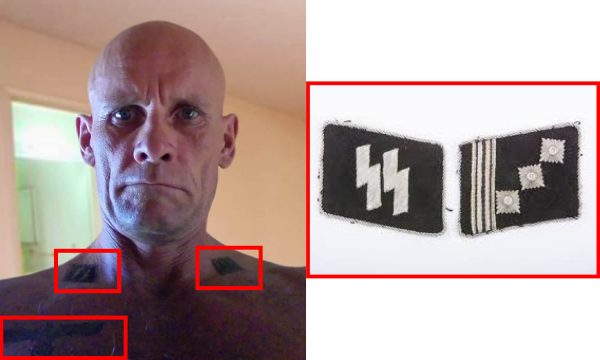
Russia continues to employ the services of the mercenary group Wagner, named after the controversial composer Richard Wagner, who held far-right-leaning views. Following the demise of Yevgeny Prigozhin, the group is now led by Dmitry Utkin, whose tattoos suggest his affinity for Nazism.
While there is undoubtedly a Neo-Nazi problem in Ukraine that cannot be ignored, it’s essential to note that most Ukrainians oppose the fascist leanings of certain paramilitary organizations. Some individuals may hold individualistic ideologies within groups that are predominantly opposed to such views.
It is crucial to acknowledge that a supporter of Nazi views is not fundamentally different from someone who holds fascist viewpoints. Labels can make these beliefs more apparent, and there may be individuals who subscribe to similar ideologies without explicitly identifying as Nazis or fascists. To illustrate, if it were legal to form private militias globally, it’s possible that some of them would adhere to fascist beliefs.
In summary, the situation regarding extremist ideologies in Ukraine is complex, and it’s crucial to avoid making sweeping generalizations about the country and its people.
The bottom line
Ukraine, like many European countries, exhibits a diverse spectrum of views among its citizens. Ukrainians, like many people, hold a range of beliefs and perspectives. The country faces challenges rooted in systemic issues, corruption, and a political history shaped by its Soviet past, exacerbated by successive administrations’ failure to address both beneficial and detrimental aspects of their society.
One example is the Azov Battalion, a former volunteer group now integrated into the National Guard. When operating independently from the Ukrainian armed forces, it proved to be a formidable fighting force capable of quickly reclaiming lost territory. The government claims to be working on purging the military of individuals who hold fascist values, but this is a challenging task that may end up with a relatively thin group of skilled soldiers. Some argue that it’s worth sacrificing such individuals to build a more ethical military. We agree that nationalist views have no place in any defence force.
When the war concludes, Ukraine will face a challenging path to recovery, including the daunting task of repaying significant debts. The country’s landscape may be scarred, its population affected, its economy damaged, and it will encounter additional hurdles. As with any post-war scenario, a battle of ideologies will emerge, and Kyiv may find itself influenced by Western allies who emphasize obligations, which could involve financial burdens, resource access, or the expansion of a foreign military presence.
Countries subjected to Western interventionism often grapple with questions of identity and character. While interventionism itself is not inherently negative, the bureaucratic aspects can be challenging. Politics is a complex and nuanced realm everywhere, and Ukraine is no exception. The nation must navigate Westernisation alongside its complex historical legacy inherited from the Soviet era, which could spell trouble.
Photo credits: Live UA, Chatham House, Channel 4 News.
 Stanisland Magazine
Leave a Reply
You must be logged in to post a comment.