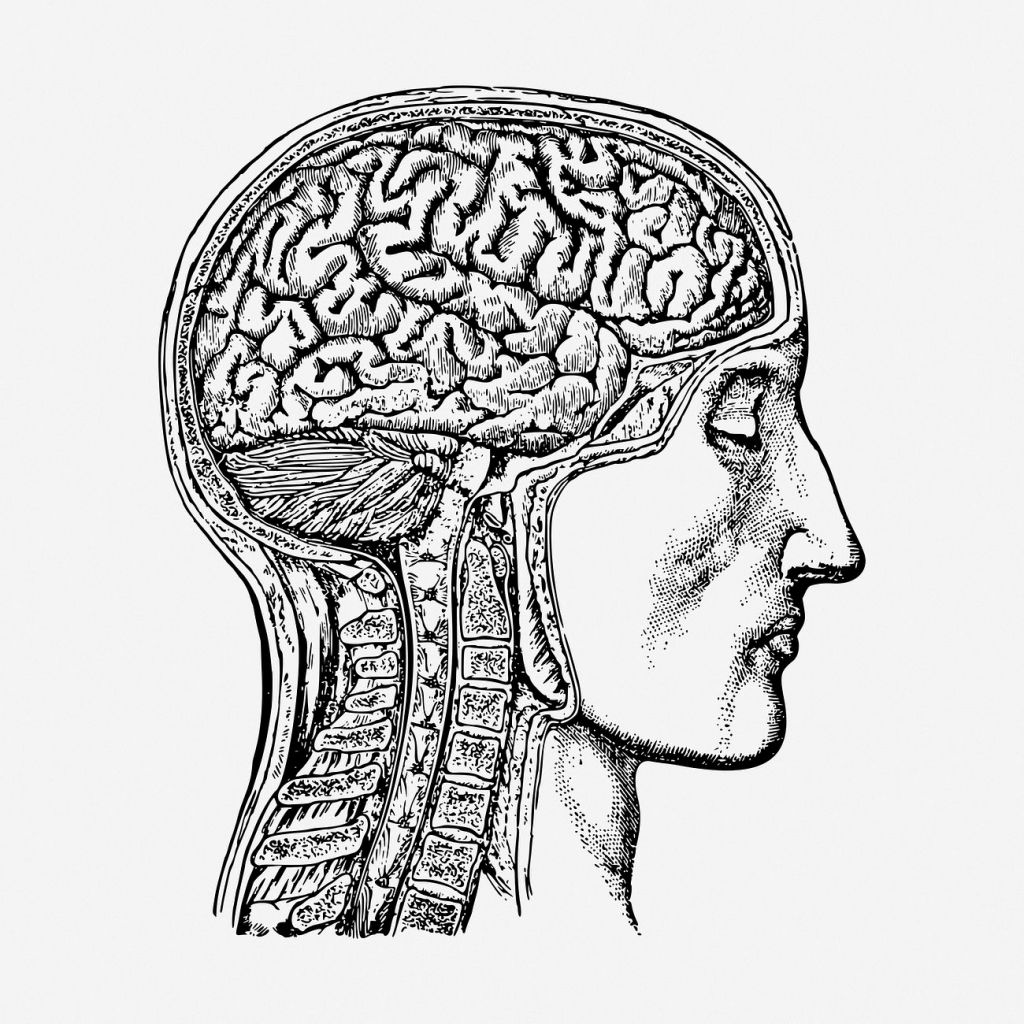
Cognitive connection: Is there a link between OCD and dementia?
Living with Obsessive-Compulsive Disorder (OCD) can be profoundly challenging. Every waking moment is plagued by a million and one thoughts, each triggering mental exhaustion, and unfortunately, rest is a luxury rarely afforded to those living with the condition. An added annoyance is that popular media often oversimplifies OCD, leaving the uninitiated with a skewed perspective of the difficulties it yields.
The daily struggle against intrusive thoughts and compulsive behaviours is undeniably draining. But what about the long-term consequences? Considering forgetfulness is a common symptom of the condition, is there a link between OCD and dementia? Let’s delve into this intricate matter and investigate its connection to the long-term well-being of the brain.
The Basics: OCD and Its Challenges
First, we have to understand what OCD is. Obsessive-Compulsive Disorder is a mental health condition led by intrusive thoughts (obsessions) and repetitive behaviours (compulsions). These obsessions and compulsions can take many forms, from fears of contamination to checking door locks and light switches multiple times. It can also influence the physical health of the person living with it, influenced by stressors that overtire and tense up muscles in the body. There is also a real possibility of injuring the extremities due to increased handwashing depending on the type of behaviour exhibited.
Additionally, within the OCD spectrum exists various subtypes, each with its own unique set of obsessions and compulsions. One notable subtype is Purely Obsessional OCD (Pure O), distinguished by distressing, intrusive thoughts without observable external compulsions. These thoughts often cover a wide range of themes, such as harm to oneself or others, moral concerns, or disturbing thoughts. Understanding these subtypes is crucial for tailoring effective approaches for treatment and support for individuals living with it.
What are the symptoms of OCD?
Symptoms vary widely among individuals living with the disorder, and it’s crucial to understand that OCD is not just about arranging objects neatly or maintaining cleanliness. A comprehensive list of symptoms accompanies the condition, and seeking a professional diagnosis is recommended over self-diagnosis if possible. Some common symptoms include:
- Intrusive, distressing thoughts (obsessions).
- Repetitive behaviors or mental acts (compulsions) to alleviate anxiety.
- Common obsessions include contamination fears, doubts, and aggressive thoughts.
- Typical compulsions involve checking, washing, or repeating actions.
- These symptoms can significantly impact daily life and cause distress. Early diagnosis and treatment are crucial for managing OCD effectively.
What causes OCD?
The precise cause of OCD is not fully understood, but it is believed to result from a combination of genetic, environmental, and neurological factors. Research indicates that a family history of the condition can increase one’s susceptibility to the disorder, suggesting a genetic predisposition. Neuroimaging studies have also highlighted abnormalities in brain structure and function, particularly in regions associated with decision-making and impulse control. Additionally, stressful life events or trauma can trigger the onset or exacerbation of OCD symptoms in some people. The interplay of these factors contributes to its development, making it a multifaceted condition that requires a comprehensive approach to treatment and management.
Dementia: The Potential Connection
Now, the big question: does living with OCD put you at a higher risk of developing dementia? The short answer is no, there’s no direct causal link between it and dementia. However, it’s not that simple and there may be other factors at play that may lead the mind towards illness.
According to recent studies, the risk of developing dementia is 0.2% for the general population. However, for individuals diagnosed with OCD, the risk increases to 1.1%, a significant elevation.
Co-Occurrence and Shared Risk Factors
One important factor to consider is the co-occurrence of mental health conditions. People living with OCD may also struggle with conditions such as anxiety or depression, which, when left untreated, can increase the risk of cognitive decline or dementia later in life.
Chronic Stress and Its Toll
Living with the condition often means dealing with chronic stress and anxiety. Persistent worries and fears associated with obsessions can take a toll on one’s mental well-being. Long-term stress is known to have negative effects on the brain, potentially contributing to cognitive impairment over time.
Medication Considerations
Treatment for Obsessive-Compulsive Disorder typically includes medication, such as certain antidepressants. While these medications are effective in managing symptoms, some may have side effects that affect cognitive function.
Furthermore, it’s worth noting that certain antidepressant medications, particularly Selective Serotonin Reuptake Inhibitors (SSRIs), have been associated with adverse effects on lipid profiles, potentially contributing to an increased risk of heart health issues by raising cholesterol levels. This underscores the importance of carefully monitoring and considering the potential side effects when prescribing SSRIs, especially in individuals with preexisting cardiovascular risk factors. It is crucial for healthcare providers and patients to have informed discussions about the benefits and potential risks of medication as part of a comprehensive treatment plan for depression and related conditions, with a focus on maintaining overall health and well-being. However, the benefits of treatment often outweigh these potential risks and the decision is ultimately between the patient and the doctor.
Age and Common Risk Factors
Age plays a pivotal role when considering the risk of dementia, and individuals with OCD are not exempt from the inexorable ageing process. As the years go by, several key factors, including genetics, cardiovascular health, and lifestyle choices, collectively contribute to shaping our susceptibility to dementia.
- Genetic Influences: As we age, genetic factors can exert a more pronounced impact on our overall health. While Obsessive-Compulsive Disorder itself is not directly inherited in a Mendelian fashion, certain genetic predispositions or vulnerabilities may interact with the aging process and other risk factors, potentially influencing the likelihood of developing dementia.
- Cardiovascular Health: Aging often coincides with an increased risk of cardiovascular conditions, such as hypertension, high cholesterol, and atherosclerosis. These factors can compromise blood flow to the brain, impairing its function and potentially raising the risk of cognitive decline and dementia. It’s crucial for individuals, including those with OCD, to monitor and manage their cardiovascular health as they age.
- Lifestyle Choices: Over the years, lifestyle choices can accumulate and significantly impact cognitive health. Factors like diet, physical activity, and smoking habits can either bolster or undermine brain health. Adopting a heart-healthy lifestyle through a balanced diet, regular exercise, and avoiding harmful habits can help mitigate the risk of dementia, regardless of whether one has OCD.
Taking Control of Your Cognitive Health
So, what can you do to protect your cognitive health if you have OCD? First and foremost, effective management of your symptoms is crucial. Cognitive-behavioral therapy (CBT) and medication can help you achieve this. Managing your compulsions and obsessive behaviours effectively reduces stress and anxiety, which can be a positive step for your overall mental health.
Self-care offers a means of safeguarding your well-being, although it can involve a multitude of variables. To address these complexities, enlisting the support of someone willing to assist can be an effective strategy in ensuring your self-care needs are met.
The Bottom Line
Living with OCD does not inherently make you more prone to dementia. The key is to stay vigilant about your mental health, work closely with mental health professionals, and address any concerns regarding your cognitive health as you age. By managing the condition effectively and adopting a healthy lifestyle, you can help reduce potential risks and enjoy a fulfilling life despite the challenges of the disorder.
 Stanisland Magazine
Leave a Reply
You must be logged in to post a comment.