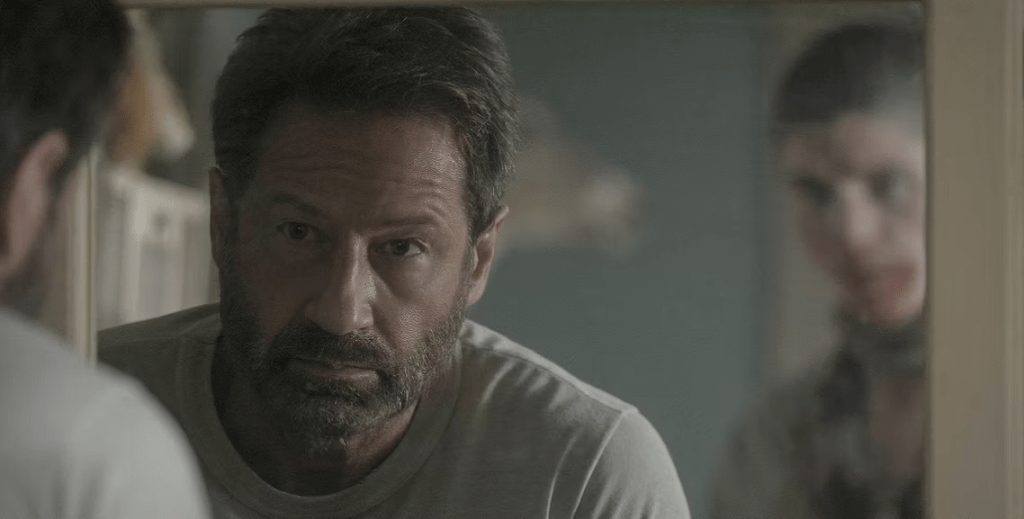
The movie game is playing once more, but this time it is seeking to reprise the characters and storylines of a franchise that has had its fair share of reboots, and unsanctioned sequels.
In the world of cinema, the phrase “everything old is new again” often takes on a whole new meaning. With the film industry increasingly relying on reboots, remakes, and spin-offs of familiar titles, it’s no surprise that fans and critics alike have begun to question the creative bankruptcy plaguing Tinseltown. The latest addition to this trend is “Pet Sematary: Bloodlines,” a film that seeks to breathe new life into the horror genre, by resurrecting the character of Jud Crandall from Stephen King’s original novel. But is this just another cash grab, or does it promise to defy the odds?
First, let’s address the elephant in the room: Hollywood’s propensity for mining the past in search of new ideas. The entertainment industry’s obsession with rehashing old stories and concepts is no secret, and thanks to the unrelenting fixation with the 90s era, we are seeing more beloved franchises being dragged through the mud for a new generation of short attention spans. No offence, but, current audiences admit it regardless of age. It’s a trend driven by financial considerations, as studios seek to capitalize on established franchises to ensure box office success. However, this strategy has its pitfalls, as it often results in uninspired retreads that serve the pockets of Hollywood executives more than they do the art of storytelling.
“Pet Sematary: Bloodlines” represents a curious case in this landscape. While it is not an adaptation of Stephen King’s work, it is, perhaps, a last roll of the dice for foraging writers. This approach raises questions about the fine line between homage and exploitation. Can a film truly pay tribute to its source material while charting a unique path? Recent outcomes suggest otherwise. It’s a delicate balancing act that few manage to master successfully.
Stephen King has often been shortchanged by the film industry
Speaking of adaptations, it’s worth noting that the film industry has a spotty track record when it comes to bringing Stephen King’s works to the screen. Even classics like “The Shining” faced controversy and criticism, with King himself disapproving of Stanley Kubrick’s interpretation. The clash between artistic vision and authorial intent is a recurring theme in King’s relationship with Hollywood, and it serves as a cautionary tale for any filmmaker attempting to tackle his rich literary catalogue.
As “Pet Sematary: Bloodlines” prepares to make its mark, the question remains: Can it break free from the trappings of formulaic horror and deliver a fresh and compelling narrative? Will this new iteration, penned by director Lindsey Anderson Beer and screenwriter Jeff Buhler, hold the promise of offering something new to fans of the genre?
In a cinematic landscape dominated by franchises and reboots, “Pet Sematary: Bloodlines” underscores the fact that ‘innovation’ often hinges on effective marketing strategies. Whether it will breathe new life into the horror genre or become another footnote in Hollywood’s recycling craze remains to be seen. But for those who appreciate the power of a well-told story, the hope is that this film will rise above the industry’s penchant for nostalgia and deliver a haunting experience worthy of the legacy it seeks to honour. But, thanks to the film industry’s harsh deadlines, lack of budget ingenuity and lust for CGI, something tells me this won’t be the horror fairytale ending we want. Even the title is unimaginative.
 Stanisland Magazine
Leave a Reply
You must be logged in to post a comment.