We explore the dynamics of bias in the Israeli-Palestinian conflict discourse.
The recent cross-border attack by Hamas into Israeli territory has rekindled the long-standing Israeli-Palestinian conflict, a protracted dispute deeply enmeshed in historical grievances, international disparities, and geopolitical complexities. This exploration seeks to elucidate the intricate historical narratives that underpin the current Israeli-Palestinian conflict. Since the attack, the Tel Aviv government has imposed a blockade of the Gaza strip, which includes “No electricity, no food, no fuel” following its total and “complete siege” of the area.
Historical Context of the Israeli-Palestinian Conflict
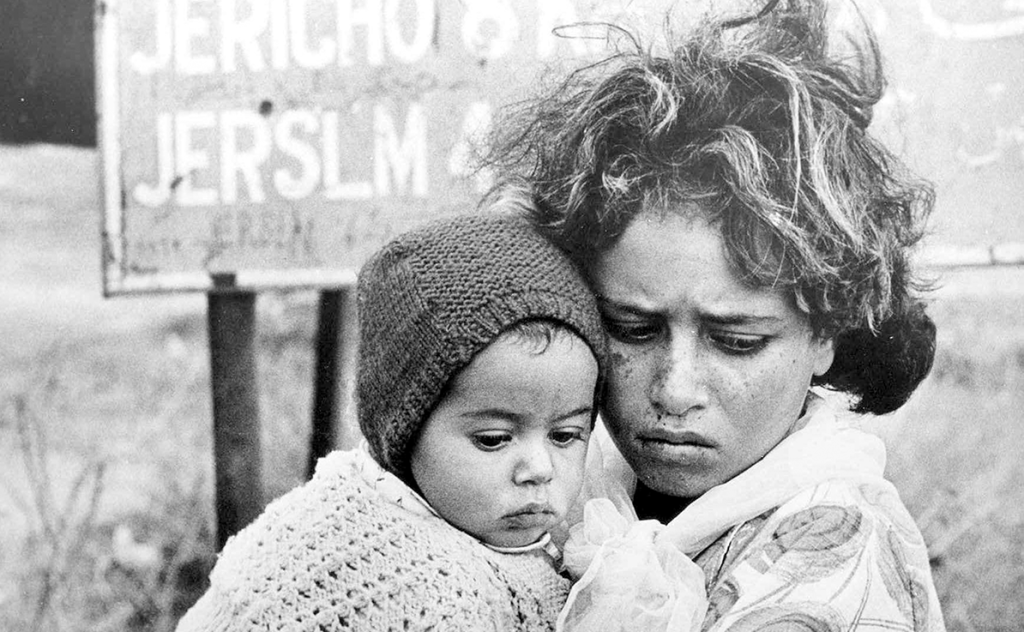
To fully appreciate the complexities of the Israeli-Palestinian conflict, it is imperative to consider its historical roots. The origins of this conflict can be traced back to the late 19th century when large amounts of pro-Zionist Jewish immigrants, driven by the Zionist movement’s aspiration for a homeland, began to settle in Palestine. The influx of immigrants inevitably led to tensions and conflicts with the indigenous Palestinian population. The situation further escalated with the establishment of Israel in 1948, displacing hundreds of thousands of Palestinians from their homes. These historical injustices form the bedrock upon which the current conflict rests.
The Israeli Defense Forces (IDF) have frequently faced allegations of misconduct and brutality in their interactions with Palestinians, exacerbating the simmering tensions. The closure of Gaza, often described as an “open-air prison,” conjures haunting parallels with the Warsaw Ghetto during World War II, which often helps shed light on the human rights abuses and the plight of the Palestinian people and where they live.
Bias in the News of the Israel-Palestine Conflict
Another challenging issue to address is the growing bias against Palestine and Palestinians, often catalyzed by several factors.
Pro-Israel lobbying groups wield significant influence in certain Western nations, impacting political decisions and public discourse. The prevailing narrative within Western media portrays the conflict as complex and challenging to navigate, which is inaccurate considering the clear historical data regarding the geopolitical timeline.
Another contributing factor is the consistent financial support the United States provides to the Israeli Army. President Joe Biden has even described it as their best investment. This support stems from Israel’s role as a regional ally in the Middle East, capable of serving as a strategic outpost, as evidenced by Israeli incursions into Lebanon, Syria, and other neighbouring regions.
The Holocaust is another contentious issue that often enters international discussions surrounding Israel and Palestine. Commentators sometimes hesitate to criticize the Tel Aviv government, fearing accusations of anti-Semitism. The Holocaust’s memory and a genuine and just commitment to remembrance have fostered strong pro-Israel sentiments in many Western countries.
READ: Israeli Human Rights Violations in Palestine: Understanding the Situation
However, it’s important not to exploit the Holocaust’s victims for political agendas. Commentators often resort to ‘whataboutisms’ when discussing the topic, criticising opposition when they do, but this tactic is often selectively applied by the Israeli regime and quickly withdrawn when used against them.
Addendum: We must also remember that when considering the disturbing celebrations of deaths on both sides, Israel is often removed from this list of inappropriate reactions.
Inconsistent International Responses
An intriguing facet of the Israeli-Palestinian conflict is the inconsistent international responses it elicits. A notable example lies in the use of Molotov cocktails as symbols of resistance. In the case of Ukraine, Molotov cocktails have been employed against an oppressive regime, garnering international support and admiration for the Ukrainian people’s struggle. However, when Palestinians resort to the same in their resistance against Israeli incursions, they often face condemnation rather than empathy. This incongruity in global reactions raises pertinent questions about the consistency of international responses to conflicts.

Comparative Analysis of the Colonization of the Americas
Turning our attention to the colonization of the Americas, historical parallels with the Israeli-Palestinian conflict are discernible. The colonization of the New World by European powers was characterized by the displacement and subjugation of indigenous populations, the imposition of foreign rule, and the creation of settler colonies. The pursuit of wealth and dominance propelled European powers to embark on a centuries-long campaign, leaving behind a legacy of dispossession and suffering among indigenous peoples.
The colonization of Palestine and the Americas share striking commonalities. Both narratives involve indigenous dispossession, foreign rule imposition, and the establishment of settler societies. These parallels serve as poignant reminders of the consequences that ensue when indigenous populations are displaced and oppressed, underscoring the perils of unchecked expansionism.
Final Thoughts
The recent cross-border attack by Hamas into Israeli territory is not an isolated event but rather a manifestation of a deeply entrenched and intricate conflict. The violence is deeply rooted in historical injustices, international disparities, and geopolitical complexities that have evolved over decades. The inconsistent international response to the use of Molotov cocktails in different contexts underscores the need for a more nuanced and balanced approach to addressing conflicts with historical antecedents. Only by comprehending and confronting these complexities can we aspire to achieve a just and enduring resolution to this protracted and deeply rooted struggle.
Death on both sides is a consequence that no one should indulge in.
 Stanisland Magazine
Leave a Reply
You must be logged in to post a comment.