Investigations into allegations of military misconduct reveal tragic incidents following SAS Afghanistan inquiry.
In a context marked by military operations, the quest for transparency and accountability frequently finds itself obstructed by the cloak of classified information. A recent public inquiry has thrust into the spotlight allegations of impropriety attributed to the Special Air Service (SAS) of the United Kingdom during their presence in Afghanistan from 2010 to 2013.
Exposing Tragedies
The inquiry brings to light a disturbing event that transpired in August 2012, involving the fatal shooting of two Afghan adults, Hussain Uzbakzai and Ruqqia Mullah Muhammad Haleem. They were at home in bed, accompanied by their young children, when they were shot and killed without warning as they slept. Legal representative Richard Hermer KC says the event bears all the hallmarks of a breach of international law, tantamount to a war crime.
A Pattern of Allegations
The inquiry reveals that nine Afghan males were met with lethal force while they were asleep during another SAS night operation. This revelation is an integral component of a series of analogous raids, all of which are within the purview of the inquiry.
A disturbing element of this narrative is the contention that the SAS may have been engaged in the systematic perpetration of unlawful killings of Afghan civilians during this period, thereby violating the Geneva Convention. Substantive evidence gathered from testimonies offered by the victim’s families and internal communication between the SAS and the Ministry of Defence collectively corroborates the allegations.
Of the defendants, the Saifullah family, represented by Oliver Glasgow KC said: “My family and I request the inquiry team to provide us with the truth and explain to us why and on what basis we had to go through this cruelty…”
Richard Hermer KC, said ziz, Uzbakzai’s brother, “…was horrified to find the two bodies of his brother and sister-in-law.”
Confessions of Service Members
The inquiry has unveiled a disconcerting disclosure: a presently serving UK special forces operative allegedly admitted to having killed a child during a mission in Afghanistan. The implications raise questions concerning the mechanisms of oversight and accountability within the armed forces. It is crucial to underscore that the confession did not lead to legal prosecution, as two potential civilian witnesses opted not to provide testimonial evidence.
Controversial US and UK Military War Crimes
The history of military interventions by the United States and the United Kingdom has not been without controversy, with allegations of war crimes accompanying several high-profile events. The US, for instance, faced significant scrutiny over the Iraq War, with the infamous Abu Ghraib prison scandal revealing instances of detainee abuse and torture. Moreover, the UK’s participation in the invasion of Iraq in 2003 raised questions about the legality of the intervention and the consequences that ensued.
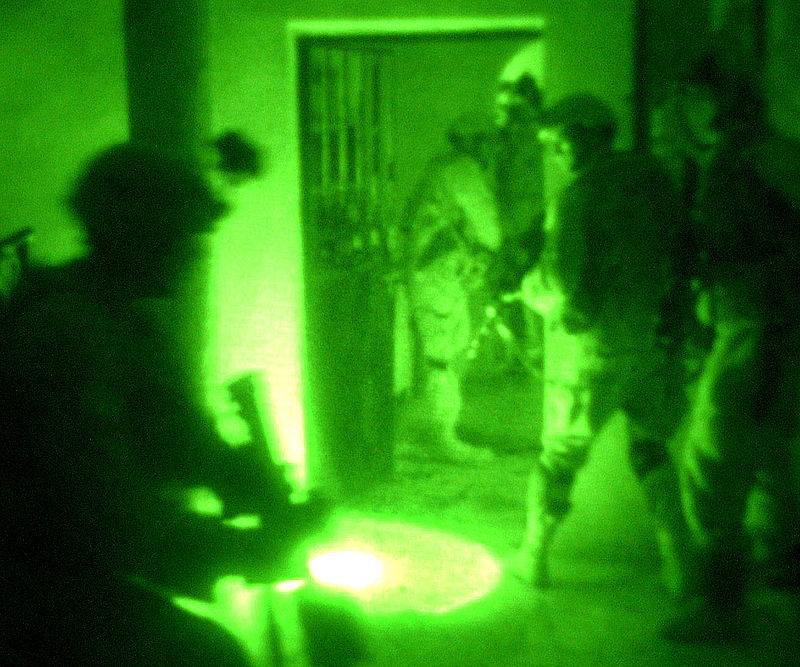
In Afghanistan, the actions of UK and US forces during night raids have led to allegations of unlawful killings, exemplified by the tragic incident involving Hussain Uzbakzai and Ruqqia Mullah Muhammad Haleem in August 2012. These events serve as potent reminders of the need for accountability and adherence to international humanitarian laws during times of armed conflict.
An Evolving Inquiry with International Implications
The ongoing inquiry, initiated by former Secretary of Defence Ben Wallace, underscores the importance of a retrospective examination of alleged misconduct and the preservation of transparency within the ambit of military operations.
At the heart of this protracted inquiry lies the reputation of the United Kingdom and the international community’s perception of the nation’s commitment to human rights and adherence to international legal principles. These allegations possess the potential to undermine global confidence in the UK, exerting a notable influence on diplomatic relations and the nation’s standing on the world stage.
The ongoing public inquiry into allegations of impropriety attributed to the UK’s SAS in Afghanistan between 2010 and 2013 serves as a clarion call for the upholding of accountability, transparency, and conformity to international legal norms within the sphere of military operations.
Given the historical association of both the UK and the US military forces with allegations of misconduct in the Afghan context, these recent revelations assume added significance. The probe into this latest inquiry was told that there was a policy of killing Afghan males of fighting age, with little investigatory methods.
As the investigation progresses, ensuring the veracity of narratives, the equitable administration of justice, and the establishment of mechanisms to prevent future such occurrences is of utmost importance. It should stand to ensure that the recesses of confidentiality yield to the light of justice and the safeguarding of human rights.
 Stanisland Magazine
Leave a Reply
You must be logged in to post a comment.