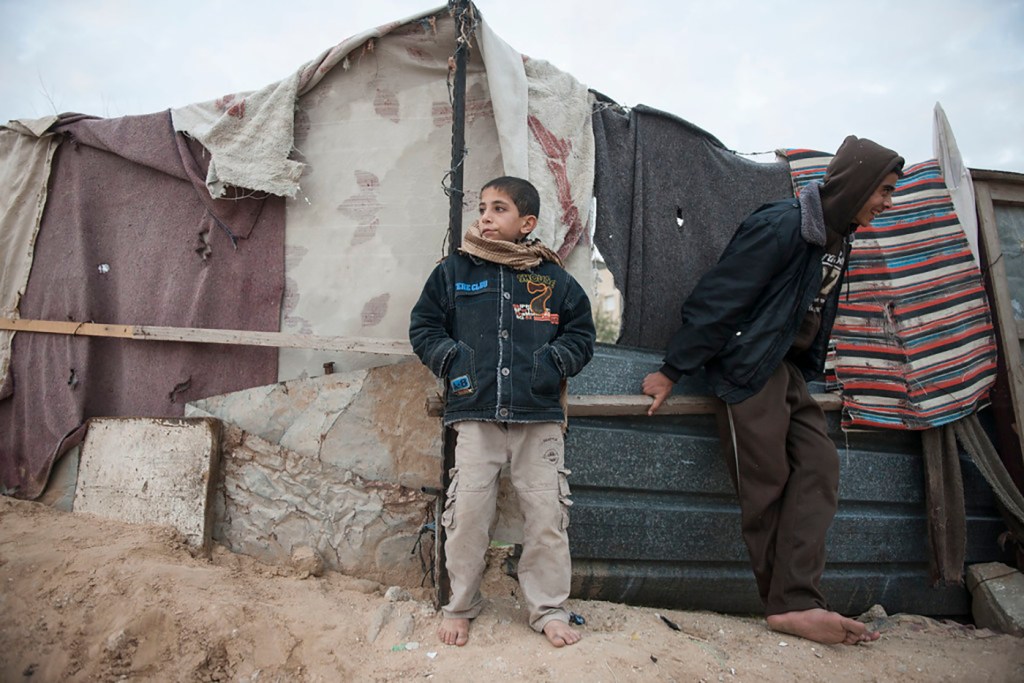
The war has since intensified with growing calls for humanitarian aid to be granted access. Though Israel remains defiant in order to carry out its aims.
As the Israel-Hamas conflict enters its tenth day, the situation continues to evolve with significant developments and growing international concerns. We provide an update to the conflict’s current status, recent events, and the urgent need for international intervention.
The Situation in Gaza
The Israel-Hamas conflict, marked by its long-stand off, has entered a crucial phase on its tenth day. With escalating violence, both sides have faced devastating consequences. The Gaza health ministry reports that at least 2,750 Palestinians have been killed, and nearly 10,000 have been wounded as a result of Israeli airstrikes.
Recent Developments
Day 10 of the conflict witnessed several significant developments:
- Iran’s Perspective: Iran’s foreign ministry spokesperson, Nasser Kanaani, emphasized the United States’ military involvement in the conflict during a televised press conference. His statement underscores the complex international dynamics at play in the crisis.
- Israel denies aid: The Israeli Prime Minister Benjamin Netanyahu has explicitly refuted claims pertaining to a ceasefire designed to facilitate the departure of foreign nationals from the southern regions of Gaza, and will not allow the entry of humanitarian assistance.
- China’s Call for Ceasefire: In Beijing, China’s foreign minister, Wang Yi, called for an immediate ceasefire in Israel and Gaza during a joint appearance with Russia’s Sergei Lavrov. Minister Yi highlighted the crucial role of the United Nations Security Council and major powers in resolving the conflict. He said: “The UN security council must take action, and the major powers should play an active role. It is imperative that a ceasefire be put in place, that the two sides be brought back to the negotiating table,”
- Humanitarian Aid to Gaza: The conflict’s humanitarian aspect remains critical. With a staggering number of casualties and injuries in Gaza, the need for international humanitarian intervention is more urgent than ever. The establishment of an emergency humanitarian channel is vital to prevent further loss of life and alleviate the suffering of the affected populations. Several vehicles and trucks bearing the emblem of the United Nations are observed in transit at the Rafah crossing.
- Indirect water restrictions: Palestinian sources contend that Israel’s declaration regarding the resumption of water provision to southern Gaza is perceived as a “publicity stunt,” given the extensive impairment of water conduits resulting from Israeli artillery bombardment. Furthermore, the absence of electricity further exacerbates the situation, rendering water pumps, necessary for replenishing storage reservoirs, non-operational.
Day 10 of the Israel-Hamas conflict underscores the persistent and evolving nature of this longstanding issue. The devastating human toll and international responses, as exemplified by Iran and China’s interjections, emphasize the gravity of the crisis. The international community must continue to focus on the pursuit of peace, stability, and the welfare of the affected people in the region. As events unfold, close attention to the conflict’s status remains crucial in the quest for a lasting resolution.
 Stanisland Magazine
Leave a Reply
You must be logged in to post a comment.