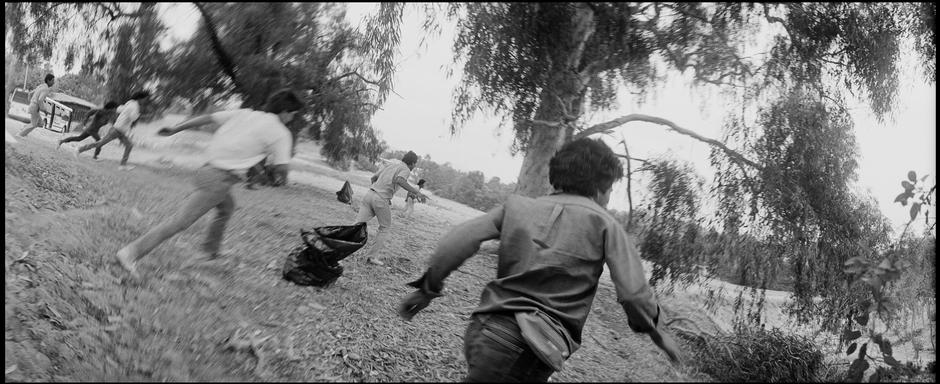
The role of documentary photography in the digital age is full of ethical dilemmas pressured by the impact of social media.
Using photography in storytelling can be complex, especially when acknowledging its historical role in the early days of the news media. The constant flow of photographic images and their easy accessibility has desensitised once-curious readers and viewers, making them interpret war and suffering as natural components of our existence.
Photography undoubtedly continues to play a significant role in news and documentation, especially today thanks to social media.
Photography is undoubtedly the written word of visual art when comparing it to video. And social platforms, unfortunately, can diminish the impact of both video and photography when images are shared with unintended or accidental audiences thanks to the algorithm.
Identity as a foundation
The widespread use of social media has fragmented documentary photography, placing it in contexts that might not be suitable. While I cannot speak for everyone, some photographers choose to avoid sharing their work on these platforms, as it can be considered poor taste, a valid concern. The photographer’s identity is also crucial, as it allows the audience to understand the purpose and context behind the subject matter they capture.
Susan Sontag noted: “Photographs that depict suffering shouldn’t be beautiful, and captions should avoid moralising”. Various factors including the topic, the situation, race, culture, and belief, all influence a photographer’s work, offering subtle hints about their motivations.
One often focuses on areas of personal interest, believing strengths can lead to the most impactful contributions. However, this approach can overlook important factors, including one’s qualifications and suitability for a specific project.
Working in documentary photography can evoke a sense of responsibility for the stories being recorded. It’s during these moments that we should question one’s own work and its value for several reasons.
Even if one believes they’ve remained within ethical boundaries, they should continue to scrutinise their work with a critical eye, which is essential for making informed decisions about future projects.
We often find ourselves wrestling with authentic work, which might be rooted in a personal conviction and could potentially lead to a sense of remorse. Regardless, I believe it’s essential to continuously question one’s motives and avoid blindly defending.
 Stanisland Magazine
Leave a Reply
You must be logged in to post a comment.