
The New York streetwear fashion house, launched by April Walker, is an integral part of hip-hop culture.
In the early 1990s, hip-hop was more than just the sum of social vanity metrics; it was emerging as a new and powerful genre. DJs, b-boys, art – and of course, fashion – played a major role.
It became a form of expression, linking the genre with the industry. The culture began seaching for a way to represent itself and to tell the world what was happening in the streets of New York.
Birth of an Iconic Brand
As its identity was forming, a new brand was born in Brooklyn, and it represented a style the community could get behind – Walker Wear.
READ MORE: Exclusive Palace Osaka Store Drop is a Massive Celebration
Created by designer April Walker, a fashion stylist and lover of hip-hop music, the brand launched following the opening of her first store, Fashion In Effect, in her native Brooklyn.
“We have to be really intentional and proactive about telling the truth so that history isn’t written another way.” — April Walker talking to InStyle Magazine
At the start of the decade, New York was all about the boroughs, inspiring young creatives to take advantage of opportunities for a Black and Brown market. She said: “This studio will nurture creativity, encouraging aspiring designers to dream big, embrace faith over fear, and transform their ideas into reality. It will serve as a learning space where success leaves clues, bridging the past with the future and acting as an incubator for innovation.”
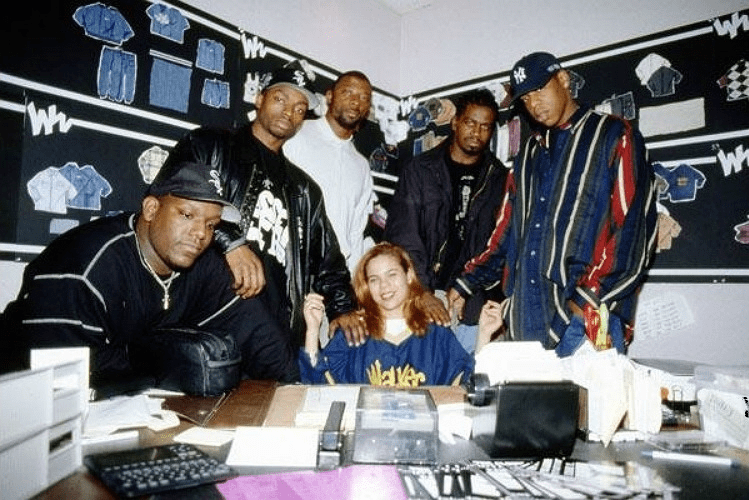
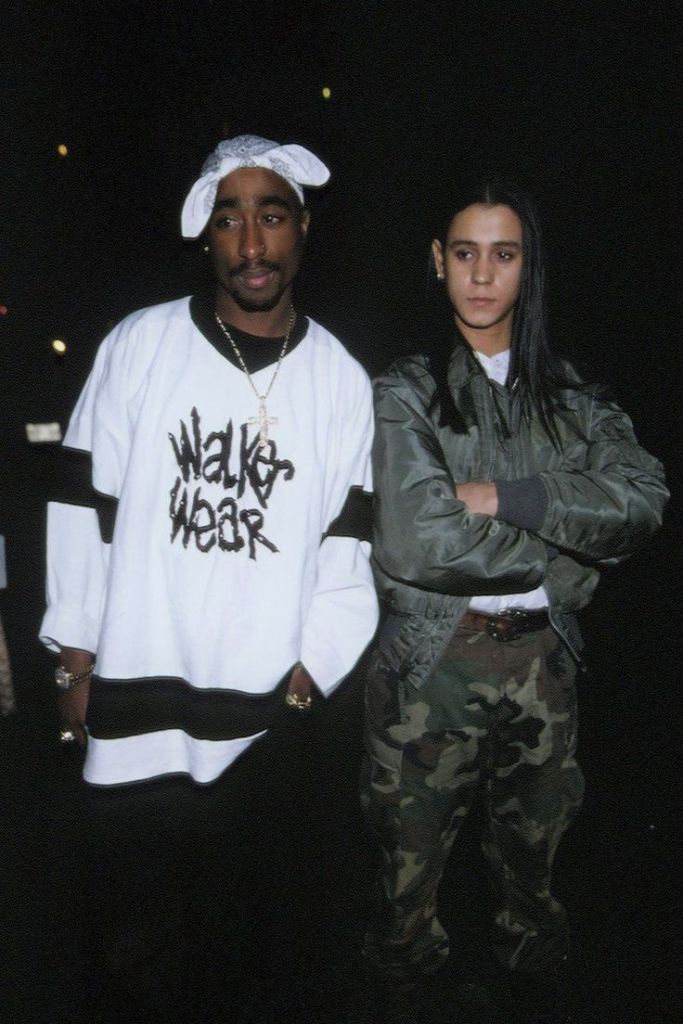

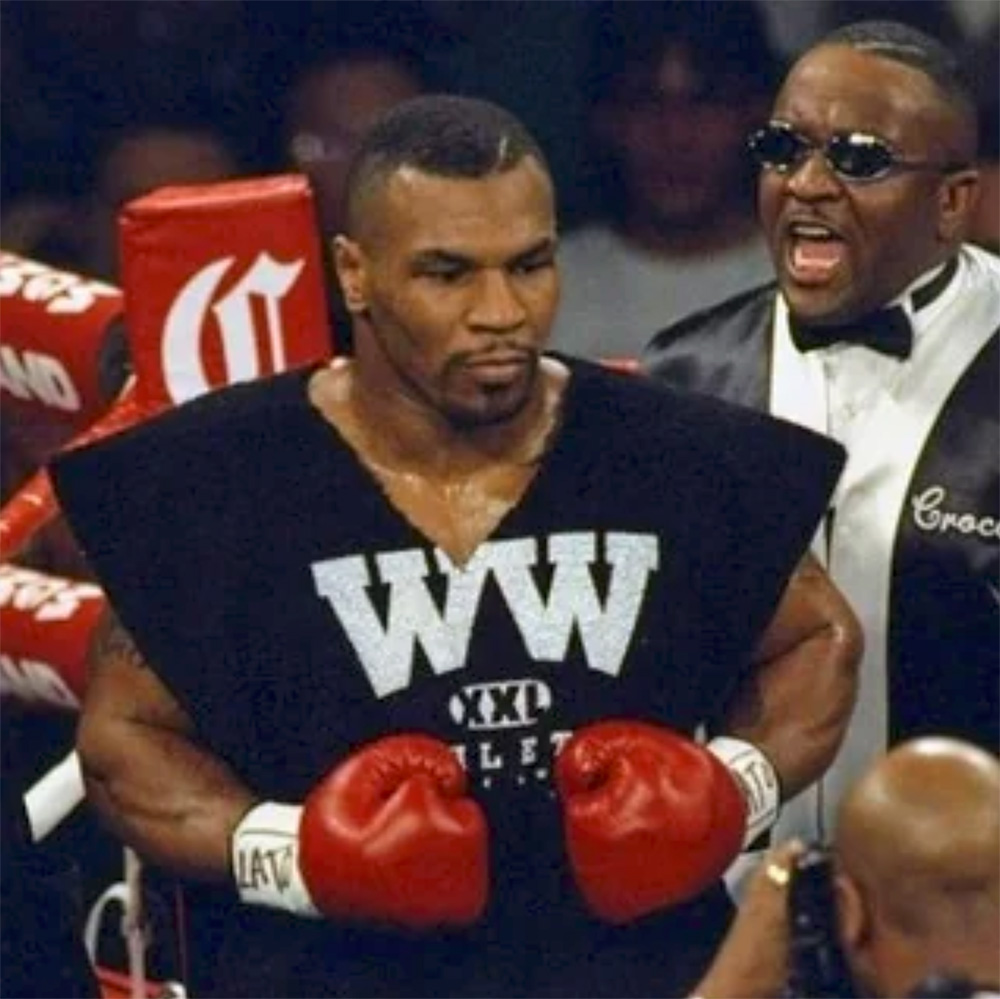
It was during this time, there were few Black-owned brands representing hip-hop; Walker Wear bubbled along with other names like Californian brand, Cross Colors and Queens’ Shirt Kings. The idea of fashion for the street became a voice in the hood and this came to be known as urbanwear.
“There were times when I had to speak up and chin-check men in corporate rooms. That was very uncomfortable, but I knew that if I didn’t do that, people would walk all over me.” – April Walker
Despite a market dominated by men, the young brand rapidly grew fuelled by love from the culture. This included direct endorsements from Queen Latifah, 2Pac, Notorious B.I.G., RUN DMC, Naughty by Nature, LL Cool J, and Wu-Tang Clan. They rocked the brand in photos and films, and later, on album covers.
April Steps Back
As the brand developed independently, it was a realisation to trust in its tribe and the power of hip-hop. April Walker became the first female to dominate urban menswear and was instrumental in opening doors for a wider audience.
It wasn’t until a 1999 commercial by FUBU featuring LL Cool J, that the culture recognised accepted rappers as a part of the brand, and this is when streetwear became urban fashion.
It was during this important moment, she decided to step back from the company to help the label’s philosophy speak for itself. As the business mirrored that of the music industry, she foresaw major changes and decided to walk away before an unavoidable amalgamation between record labels and clothing brands.
Walker Wear’s Return to Fashion
In 2013, WW bounced back during a crucial moment for digital commerce, perforating new opportunities for the brand to connect directly with its customers. Despite fast fashion’s expanding influence, Miss Walker felt she had a story to tell for a new generation – she needed people to understand that the brand represented more than just business. It speaks for community, culture, collaboration, and social equity.
Today, it’s worn by NBA superstars like Shaq, Mike Tyson, and rappers such as 50 Cent, Method Man, and Joey Bada$$. WW has also collaborated with Starter and the WNBA’s New York Liberty, as well as featuring in the smash hit Netflix program, I Got A Story To Tell.
Walker Wear’s most recent collaboration with Reebok – dropped on March 21st 2025, celebrating unity and equality. Opening up about the relationship, she said: “Partnering with Reebok is a testament to the power of collaboration in driving positive change,” … “Both Reebok and Walker Wear are celebrated in their respective fields, and this collection reflects our shared values of empowerment and cultural legacy. It’s about elevating women’s voices while celebrating the strength of unity and interdependence. Together, we’re inspiring a new generation to uphold that legacy.”
Hip-hop and urban fashion bonded during the 1990s and continue to grow through a wide-angled cultural lens. What we see today was born from a profound love of the game. Walker Wear is a clothing brand that continues to represent music, style, culture and community within the genre. From artists such as 2Pac and Wu-Tang Clan, to Nas and Joey Bada$$, it is a capsule carrying a message; one that reverberates to this day.
 Stanisland Magazine
Leave a Reply
You must be logged in to post a comment.