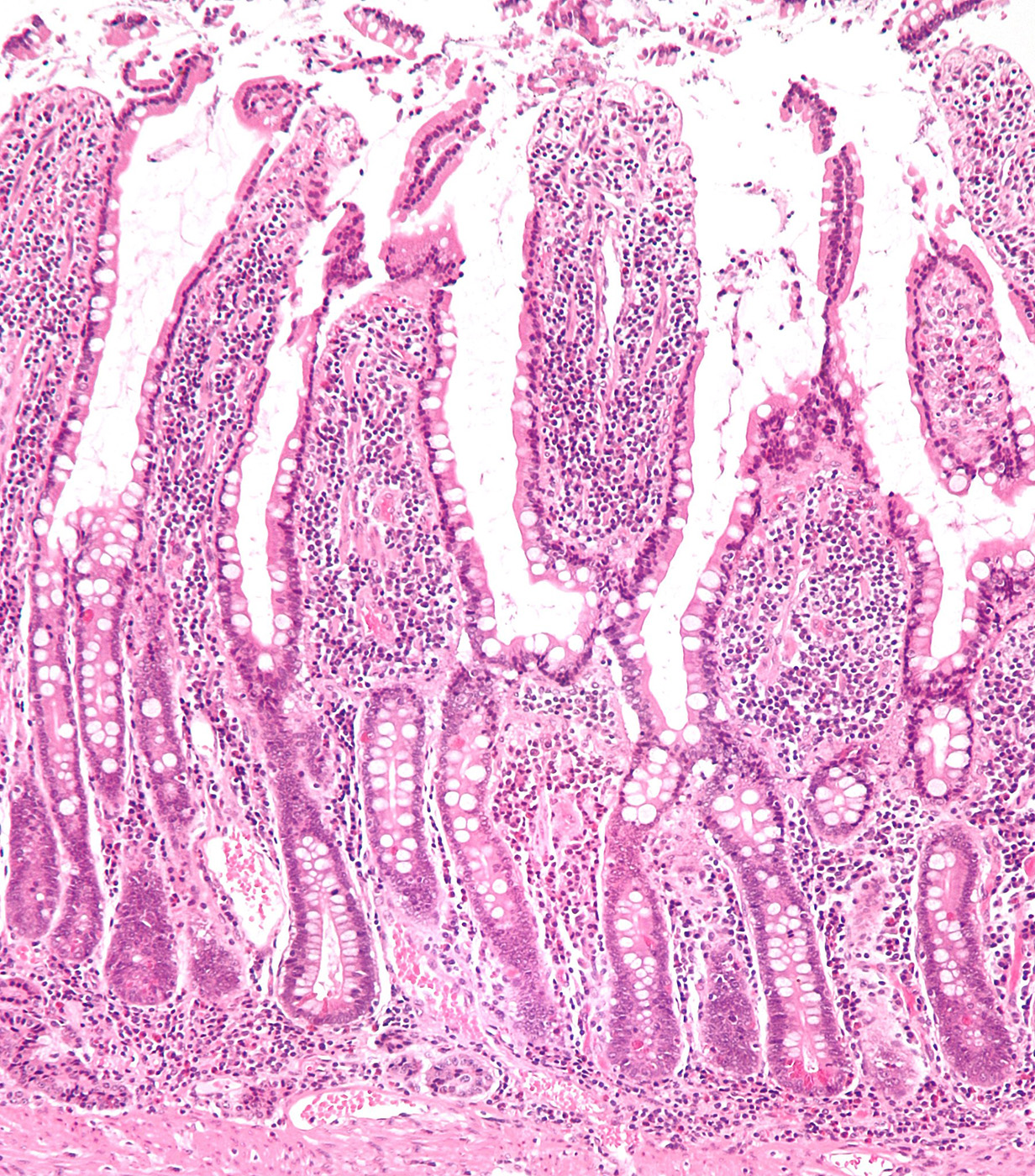
Nourishing your gut for enhanced well-being: a comprehensive exploration of gut microbiota, probiotics, prebiotics, and beneficial dietary strategies to promote a healthy and balanced gut microbiome.
Numerous diets, ranging from keto and paleo to high-carb meals, are often touted as providing optimal nutrition. However, none are as crucial as the one that nourishes the friendly bacteria in your stomach and supports their survival. Why is the gut microbiome important? We are about to find out.
What are beneficial bacteria and their roles in the body?
Your gut is home to trillions of strains of microorganisms that live within what’s known as the ‘cecum’. It is located within the large intestine and its job is to synthesise vitamins such as vitamin D, vitamin K, folate, thiamin and riboflavin, as well as to ensure the integrity of the immune system, of which 70% of it is located.
How can you keep your gut healthy?
To create a welcoming environment for gut bacteria, it’s essential to exclude certain foods (more details on this will be provided later). You should introduce your gut to appropriate bacterial strains, including Actinobacteria (Bifidobacterium), Firmicutes (Ruminococcus, Clostridium, and Eubacteria), and Bacteroidetes (Porphyromonas, Prevotella). Additionally, you can enhance your selection of bacterial strains (particularly those involved in breaking down cellulose and producing vitamins) by incorporating a diverse range of probiotic foods into your diet.
What are probiotics and which foods contain them?
Probiotics are typically fermented foods that contain beneficial bacterial strains, which can promote the diversification of species in the gut. Examples of such foods include:
- Yogurt
- Kefir
- Miso
- Kimchi
- Pickles
- Cheeses like Brie
It’s important to select foods that have not been exposed to high temperatures or excessive processing, as this can destroy the beneficial bacterial cultures they contain. To ensure the preservation of these cultures, it’s advisable to verify the production practices with the manufacturer.
What are prebiotics?
Prebiotics are distinct from probiotics. They are foods that provide the necessary nourishment for the growth and survival of beneficial bacteria. These prebiotic foods come in the form of…
- Sourdough bread
- Inulin (also known as chicory root)
- Oats
- Bananas
- Unprocessed chocolate (cocoa)
- Garlic
- Apples
Nevertheless, it’s not limited to just these foods. Polyphenols, which are plant-based compounds, and fibre-rich options like olives, olive oil, leafy greens (such as baby spinach and arugula), and sweet potatoes can also support the growth of beneficial gut bacteria. Even coffee and herbal teas belong to the polyphenol category and can play a role in this process.
What foods should I avoid?
Harmful microorganisms can gain control in the gut through a process known as dysbiosis. Dysbiosis is characterised by an imbalance in the gut microbiota and has been linked to conditions such as diabetes and cancer.
To prevent this imbalance, it’s advisable to steer clear of foods that contain artificial flavourings, emulsifiers, specific types of meats, and added sugars. These may include:
- Fried and fast food
- Processed chocolate
- Artificial sweeteners
- Refined foods such as breads, crisps and protein bars
- Sugar laden foods
- Red meat
Consuming these foods can be likened to launching a carpet bombing attack on your gut microbiome, even if it’s done just once.
Good bacteria may help us lose weight and keep our heart healthy
Research suggests that nurturing a healthy gut microbiota can assist in weight loss. A significant study tracked twins and found that our microbiomes are not solely genetically inherited. In this study, one twin was in the obesity range, while the other maintained a healthy BMI, demonstrating that these differences were attributed to the specific strains of microorganisms they hosted in their guts.
The gut can also play a role in regulating heart health and has a significant impact on the production of HDL cholesterol, often referred to as the “good” cholesterol. HDL cholesterol is known for its ability to absorb LDL cholesterol (the “bad” kind), and it is closely associated with heart disease and stroke.
Why is the gut called the second brain? The answer is in your mood
Extensive research has established a connection between mood and gut health through a direct link that connects the vagus nerve in the stomach to the brain. Most of the bacteria located in the cecum are involved in stimulating the production of neurotransmitters, including serotonin and dopamine, which are associated with mood regulation.
Take aways and common mistakes
As vegan and ‘clean’ eating lifestyles gain popularity, alternative milks like oat and soy are becoming more common choices. It’s worth noting that the recipes for these alternatives often include preservatives like emulsifiers, which can have a negative impact on gut bacteria. Opting for organic plant milks or cow’s milk is generally a better choice, as they typically do not contain these additives, but it’s advisable to verify the ingredients.
There are microbiome tests available that can offer insights into your gut’s current state, including the specific bacterial strains present. However, these tests may have limited usefulness beyond that. The most reliable indicators of gut health are likely to be your mood and overall well-being, but a more comprehensive understanding of long-term effects will require further research.
Final thoughts
As human knowledge and innovation have advanced, so too have our methods and approaches to food production. To prolong the shelf life and enhance food safety, manufacturers started incorporating artificial ingredients. However, this has come at a potential cost to our gut health, which scientists and researchers are increasingly recognising as a vital component of the body. Therefore, taking care of your gut may prove to be a wise investment in your overall well-being.
Leave a Reply