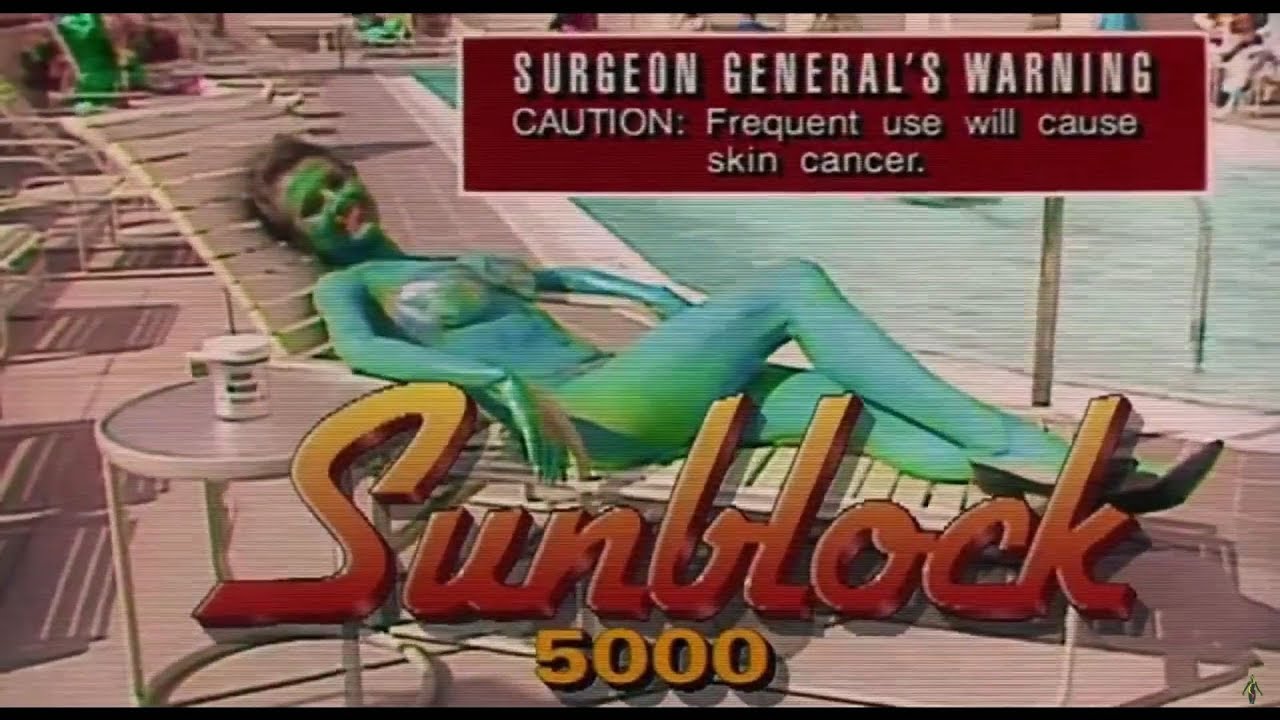
Distracting oneself from life’s essential concerns can be a counterproductive behaviour that prevents us from confronting the unrealistic ideals we’ve embraced. Yet, in the contemporary world, one’s identity and relevance are often closely linked to their affiliation with specific subcultures. Embracing them can be a significant aspect of modern identity formation. However, this can mostly be a negative experience for current and later life.
Where do we draw the line when it comes to digital distancing? We can’t escape the monumental effects of a world clamouring for existence, yet continually burying itself in a heap of digital soil.
Civilization has collapsed into a sinkhole, not as a mere by-product of societal obsessions and the pursuit of fame, but as a deliberate consequence to evade a reality inundated by unhelpful trends, shallow tropes, and disposable products––elements our minds perceive as interchangeable. Our personal worth is now determined by our possessions and the trends or groups we align with.
“It was all so different from living in Holland,” Verhoeven recalled. “A lot of my, let’s say, amazement, at American society is in RoboCop; in the commercials, in the news reels and so forth, and even the certain distance to the characters.”
– Paul Verhoeven on commercials in RoboCop, inspired by American culture.
We have found ourselves in a Cronenberg/Verhoeven-esque world inundated with relentless advertising, peddling the seemingly inconsequential as essential facets of existence. The latest ‘anything’ is presented to us as a monumentally significant element of our daily human experience. In reality, our lives are lacklustre, teetering on the brink of survival mode that merely offers the bare minimum to maintain the facade of life and validate our existence.
We need only observe the unoriginal actions of influencers and social media users, who train themselves to mimic others in a desperate bid to maintain a sense of inclusivity, fearing the loss of meaning. Affixing additional labels to our already labeled selves only erases our authenticity, rendering our unique qualities void and replaceable by those who replicate them out of the same fears. Social media simplifies our reasoning, compelling us to conform, for we are afraid to stand alone, much like a dance of affliction from the Middle Ages—bewitched, and indeed imprisoned by the overwhelming dominion of technological interruptions that eclipse the desires and dreams we once cherished.
While we often encounter the trivial and consider it a requisite for life, there is a hidden turmoil concealed from psychological scrutiny. It’s something we forget but remember, much like an itch at the back of our minds. Instead, we tend to glorify the mundane, the inconsequential, and the misfortunes of our time. While having fun is important, it’s equally crucial to recognise the self-inflicted abuses we bear. These insults are often masked as the gratification of progress but, in reality, lead us down deviating paths of lunacy.
Should we avoid the brands and stickers of society we are pressured into buying and copying, we may find ourselves upset by a lack of inclusivity. If we are to evade the noxious tracking of social media and other outlets, one may feel outcasted, or even subject to scrutiny by peers who wonder why we are not filed away in the databank that is Instagram or TikTok. And the products/services we accumulate, are the cursed items we feel will exact revenge if one were to discard them. Like a haunted doll from a movie you cannot rid yourself of, for fear it will unleash forces of reprisal. But the truth is, you have more power over these forces than you might imagine.

The Praying Mantis Is Your New Smartphone
Benji Bytnar explains how a praying mantis stopped him from doomscrolling

Brooklyn Beckham’s Latest Outburst Is Social Proof Of Celebrity Obsession
Brooklyn Beckham’s explosive family feud is a masterclass in nothing burgers.

Donald Trump Must Be Impeached
A communication between US President Donald Trump to Norway’s Prime Minister has raised more than a few eyebrows.
Leave a Reply