Here’s what you need to know about the Louvre Gallery Art Robbery
It’s’s been more than 24 hours, and the Louvre thieves are still on the run. Snagging hundreds of millions in gemstones and jewellery, they exited the building as fast as they entered. What did they take? Let’s break it down in our easy-to-read guide.
When, Where, and How
The heist went down on the 19th October 2025 at approximately 9:30 am.
The section of the gallery they hit was the Galerie d’Apollon, which houses the country’s Crown Jewels among other valuable artefacts.
The thieves arrived on scooters, opting to avoid the use of a car — a method likely chosen to avoid Parisian traffic. The timing suggests they were likely late, as they arrived just after the museum opened.


Using a truck-mounted basket lift, they raised it onto a balcony, smashed their way inside, and used a set of diamond-tipped cutters to the showcase. According to police, the entire feat lasted between four and seven minutes.
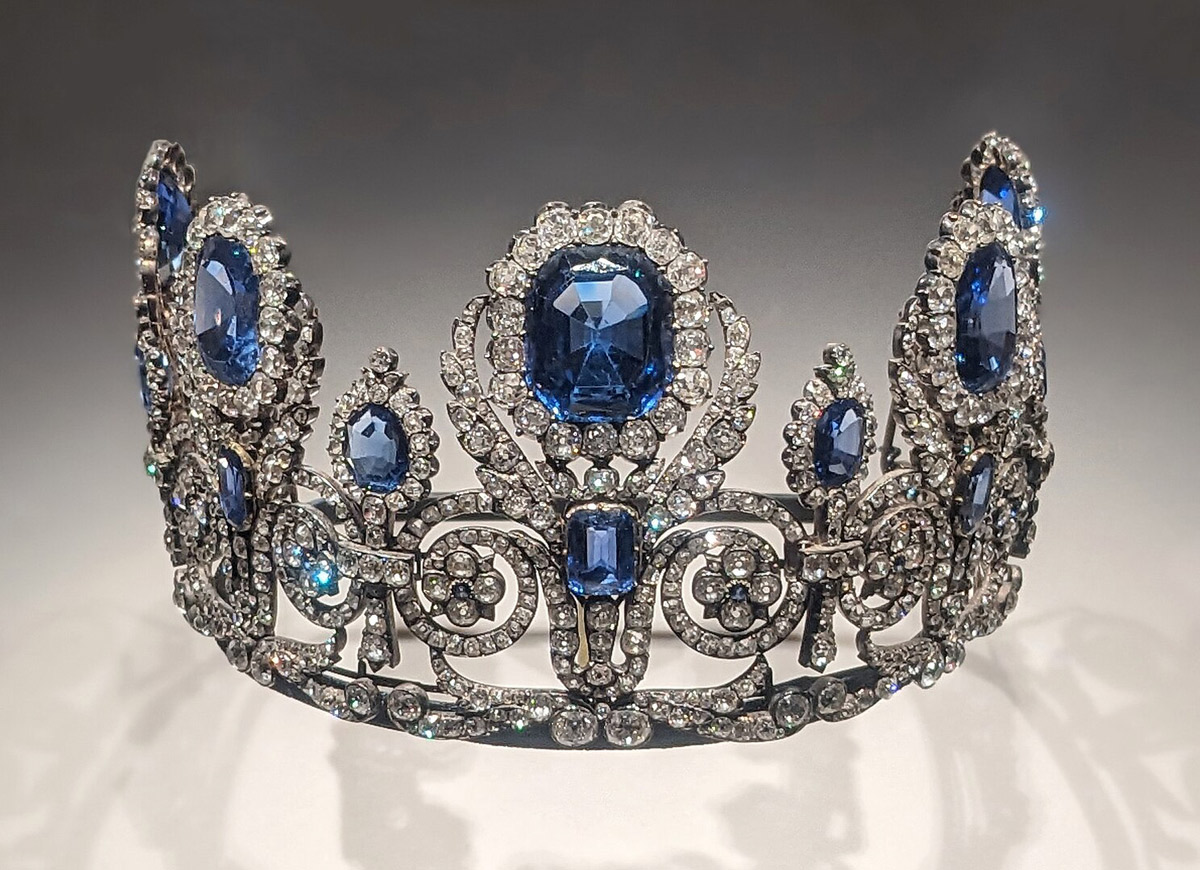
In total, eight pieces of so-called priceless jewellery were confirmed stolen. However, one item — the Empress Eugénie tiara — was dropped and found damaged near the museum.
Security Issues
Museums receive a budget which they allocate to curation, design, salaries and of course, safety. However, it’s no secret that security at the Louvre is lacking. The glass on its vitrine, their entry was too easy, and the duration was short. All signs point to an inside job, given their
Will They Recover the Items?
It’s all up in the air right now, and no one can say for sure if the theft will be resolved. The most famous and expensive art theft remains the Isabella Stewart Gardner Museum robbery — an event where the robbers were able to make off with several priceless pieces. To this day, they have not been recovered.
Each hour that passes makes their rediscovery all the more unlikely, as the thieves have either found a fence to part with the items (a person who purchases stolen goods to sell to a middleman), or melted them down to better conceal it.
Judge Arthur Tomkins, an art crime expert, believes it could have been an “inside job” and that recovery may now be incredibly difficult — if not impossible.

Opinion: David Bell’s New Antisemitism Report Undermines Palestinian Equality
The 107-page report commissioned by the government recommends measures to rightly protect Jewish pupils, but will it empower Israeli nationalism…

Pokémon Frenzy As a New London Store Gets Green Light
Pokémon Company CEO releases statement on what fans can expect from the latest store

Moomin Creator Tove Jansson to Be the Focus of a Major New London Art Exhibition
Moomin creator Tove Jansson’s art and personal relationships will be the focus of a new exhibition at the Quentin Blake…
Leave a Reply