Signs of an unthinking world: Ignorance, influential campaigns, and measurements for environmental impact are confusing all of them.
At some point in life, we all find ourselves grappling with recurring self-reflective inquiries. Questions such as, “Who am I?” and “What is my purpose?” have been part of our internal dialogue since a young age. Lately, I’ve found myself contemplating a slightly different set of questions: “Who could I become?” “Where should I direct my efforts?” and “How can I make a positive impact?”
Many of these musings stem from my contemplation of the potential consequences of climate change on our world. It’s a sobering reflection on the predicament we’ve found ourselves in due to our own unchecked actions, which have turned our planet into an overflowing self-inflicted crisis.
Our heedless pursuits have led us to a point reminiscent of Hansel and Gretel, where we’ve become unwitting participants in a perilous journey. Like them, we seem to be walking, almost willingly, towards a blazing oven that inexorably engulfs the entire house. It’s a stark reminder of our own shortsightedness and, at times, baffling choices.
Critical indicators of thoughtlessness
Additional signs of a seemingly unthinking world filled with people displaying a certain level of ignorance include the deliberate actions taken. For instance, in the UK, the decision to leave the European Union was influenced by a carefully crafted campaign aimed at swaying undecided voters. Similar tactics were employed in the US, resulting in the election of a prominent fast-food brand ambassador.
Furthermore, the wanton destruction of vital organic matter that sustains our food sources, along with the extinction of crucial ecosystem regulators, showcases a lack of understanding of the intricate balance of nature.
Even in the business world, we see indications of this short-sightedness. Jeff Bezos named his company ‘Amazon,’ perhaps reflecting the sheer volume of cardboard packaging it initially used. However, they recently made the switch to plastic, a decision that has raised eyebrows and generated criticism.
Read: Why You Shouldn’t Choose Express Delivery
In our daily interactions, we often find that people are generally rational and sensible. This is because we tend to engage in simplified conversations and ask straightforward questions. However, when it comes to the intricate realm of political motivations, the lid of the figurative stove-top kettle often gets lifted. This can lead to election results that frequently fail to demonstrate significant progress.
In the past, our ancestors dwelled in caves, but we eventually abandoned such primitive shelters. Paradoxically, we’ve circled back to our cave-like existence through the screens of our mobile phones. We frequently find ourselves trapped in a simulated version of life, reflected through the fragmented shards of reality. In this digital cocoon, we often sidestep the authentic experience of life, opting for the counterfeit fragments as a means of escape from the challenges and complexities of our existence.
We distanced ourselves from one another as we became deeply engrossed in the entertainment of the pre-mobile phone era. To many, it seemed that the only path to a meaningful life lay in the pursuit of fame and the accompanying financial prosperity it promised.
This trend paved the way for a philosophy embraced by those who may not know better. It’s a philosophy that feeds on the instant gratification provided by the free and automatic dopamine-dispensing machines we carry in our hands, available 24/7. As a result, we often find ourselves with little left to say to one another, fearing that introspection might lead us back to the authenticity of life, where we might encounter discomfort, confusion, and a self-imposed sense of confinement.
Modernity effuses stupidity
In our contemporary world, the perception of self-importance often hinges on the conspicuous and striking presence one has on platforms such as Instagram, Facebook, Snapchat, and Twitter. This tends to overshadow the intrinsic value of the real world, a fact we sometimes overlook due to the allure of instant gratification offered by our 6-inch square, coltan-powered devices.
Are we inherently foolish, or do we resemble molluscs in our behaviour? The answer lies in the affirmative; we can embody both characteristics and much more. Embracing moments of ignorance can serve as a foundation for enhancing one’s own intelligence. In some instances, it can be a more preferable position than the rigid ignorance often associated with formal education.
I’ve encountered individuals who possess extensive formal education but seem to lack practical wisdom, making them appear intellectually limited. On the other hand, I’ve also had the privilege of meeting remarkably resilient and intelligent people who seem to have answers to a wide range of questions. These individuals draw their insights from diverse life experiences, even at a young age, and a rich tapestry of work and passion choices.
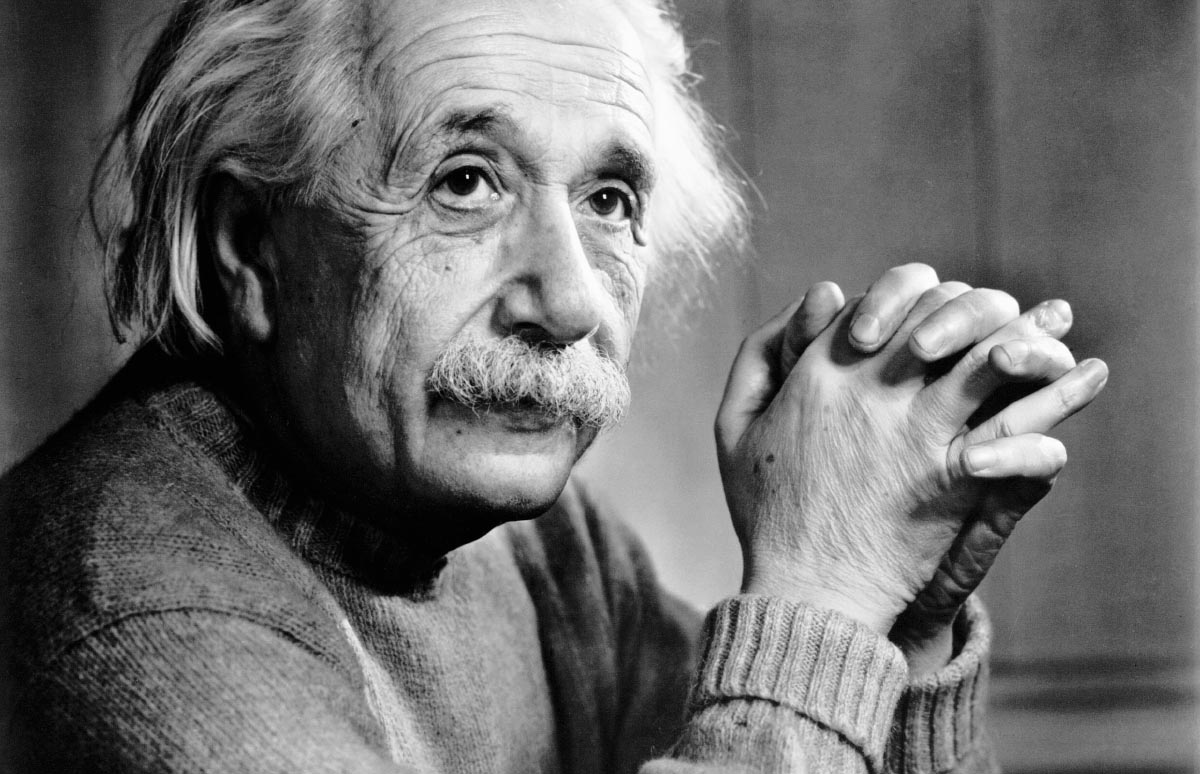
“The only thing that interferes with my learning is my education.” -Albert Einstein
Biting the bullet might not be the best thing
In these critical times, it’s imperative that we learn how to combat irresponsible behaviour at both the individual and institutional levels. Presently, our collective engagement in reckless actions only legitimises the nihilistic and self-indulgent principles of those at the pinnacle of power.
Our most pressing concern is the restoration of the planet’s climatic health. All other matters pale in comparison to the urgent need to address the environmental crises we have inflicted upon ourselves.
If one chooses to embrace ignorance, it’s crucial to wield that privilege wisely. Your keen attention to new ideas and opportunities might just ignite the spark that could catalyse positive change in the world, benefiting not only the present but also the future generations.

The Praying Mantis Is Your New Smartphone
Benji Bytnar explains how a praying mantis stopped him from doomscrolling

Brooklyn Beckham’s Latest Outburst Is Social Proof Of Celebrity Obsession
Brooklyn Beckham’s explosive family feud is a masterclass in nothing burgers.

Donald Trump Must Be Impeached
A communication between US President Donald Trump to Norway’s Prime Minister has raised more than a few eyebrows.
Leave a Reply