Army recruitment: young people won’t fight for a country in bed with the wrong side
Who on earth wants to fight for their country? Well, it depends on what it’s for and who you ask. Armed forces recruits join for varied reasons, including keeping fit, adventure and an appealing lifestyle. But how far do the qualifications on offer match recruits’ expectations?

Poll shows unwillingness to fight
In December 2025, Air Chief Marshal Sir Richard Knighton delivered a speech warning of the threat from Russia. In it, he said: “Sons and daughters, colleagues, veterans will all have a part to play. To build. To serve. And if necessary, to fight.”
But ask young people, and many are averse to taking up arms for their country. A youth poll of around 2,000 people aged 16–29, published in April of this year by the University of Glasgow’s John Smith Centre, found that 50% would never fight for Britain, while 38% said they would under some circumstances. The latter is a more important figure to analyse; it leaves open the possibility that, for some, the hesitation lies in the decision-making behind warfare.
Respondents shared their reasoning anonymously, with one saying, “Why should I be forced into a war I didn’t ask for?” and another stating, “All of the war going on just seems like it’s for nothing. No citizens actually want war, it’s just the leaders ordering things.” The John Smith Centre summarised the poll as “Why fight for a country that isn’t fighting for you?”
John Smith Centre, UK Youth Poll 2026 Results
Question: “I would be willing to take up arms and go to war for Britain”.
- 50% — ‘under no circumstances’
- 38% — ‘under some circumstances’
- 12% — ‘don’t know’
Ask young people — many are averse to taking up arms for their country. A youth poll of around 2,000 people aged 16–29, published in April of this year by the University of Glasgow’s John Smith Centre, found that 50% would never fight for Britain, while 38% said they would under some circumstances. The latter is a more important figure to analyse; it leaves open the possibility that, for some, the hesitation lies in the decision-making behind warfare.
Politicians are the ones who decide whether to take military action, and their track record over the past 30 years is anything but peachy.
From the disaster that is the Iraq War to the bombing of Libya and elsewhere in the Middle East, these interventions have contributed to major destabilisation. People fleeing these conflicts seek refuge in Europe, where many are met yet again with hostility.
The hypocrisy comes when those serving in the armed forces or supporting military action in the name of human rights turn on the very people they claim to be working to free. There’s also the fact that the British government supports regimes with incompatible values.
The armed forces’ response
First Sea Lord General Sir Gwyn Jenkins was asked about young people’s attitudes to serving in the armed forces and replied: “I fundamentally have faith in the British population to do what is needed when it’s required.”
Separately, on 14 April, discussing cadet schemes, the Army’s General Sir Roly Walker acknowledged the need to reconnect with society: “My view is that we need to be doing more of that stuff because of the positive impact that it has on society.”
Armed Forces Salaries
British Army
- Recruits & Privates: £27,282
- Lance Corporal: £35,310
- Corporal: £40,989
- Sergeant: £46,022
- Officer Cadet: £35,925
- Second Lieutenant: £42,948
- Captain: £54,716
- Major: £68,624
Royal Navy
- New Rating: £26,344+
- Leading Rating: £39,565+
- Petty Officer: £44,000+
- Warrant Officer: £66,585+
- Midshipman: £34,676+
- Sub-Lieutenant: £41,456+
- Lieutenant: £52,815+
- Captain: £122,849+
Royal Air Force (RAF)
- Enlisted Aviator: £27,200+
- Officer: £35,900
- Flight Lieutenant: £50,500+
However, Ava Santina said we should be looking through the lens of military pay, working conditions and support for veterans, which are, by most standards, pretty poor.
A starting salary for a British Army soldier is £27,282 per annum, which, for someone potentially risking their life for the decisions of a politician, is a meagre amount to say the least. Considering troops generally still pay for accommodation and food, albeit subsidised, that measly £27,000 stretches even thinner.
This has been acknowledged as a challenge. In 2025, the Warrant Officer of the RAF, Murgesvaran Subramaniam, conceded: “If the motivation is money, where some industries offer higher salaries than we can, we find it quite difficult because we cannot compete.”
The money? The benefits?
Despite claims you’ll receive substantial benefits, you’ll get much of that as a civilian, too. The British military offers skills training and recognised qualifications, but the level available depends on your role and career progression. The Army’s funded Chartered Manager Degree Apprenticeship, for example, is restricted to personnel ranked sergeant through to warrant officer, with limited places available.
So what would change the perception of the armed forces? Perhaps they can and should do more in public life, expanding their role beyond fighting. They already assist with flood relief, bomb disposal and national emergencies, including the Covid-19 pandemic. But risking your life and taking on more domestic responsibilities would still not be worth the salary on offer.
Prospective recruits need more and better guarantees that they’re valued. They want to see that their lives will not be toyed with like pieces on a chessboard and that they mean more than a sacrifice sanctioned by politicians. When they leave the army, will they be appreciated for their efforts? Or will they be judged for the decisions of the politicians who sent them to war?
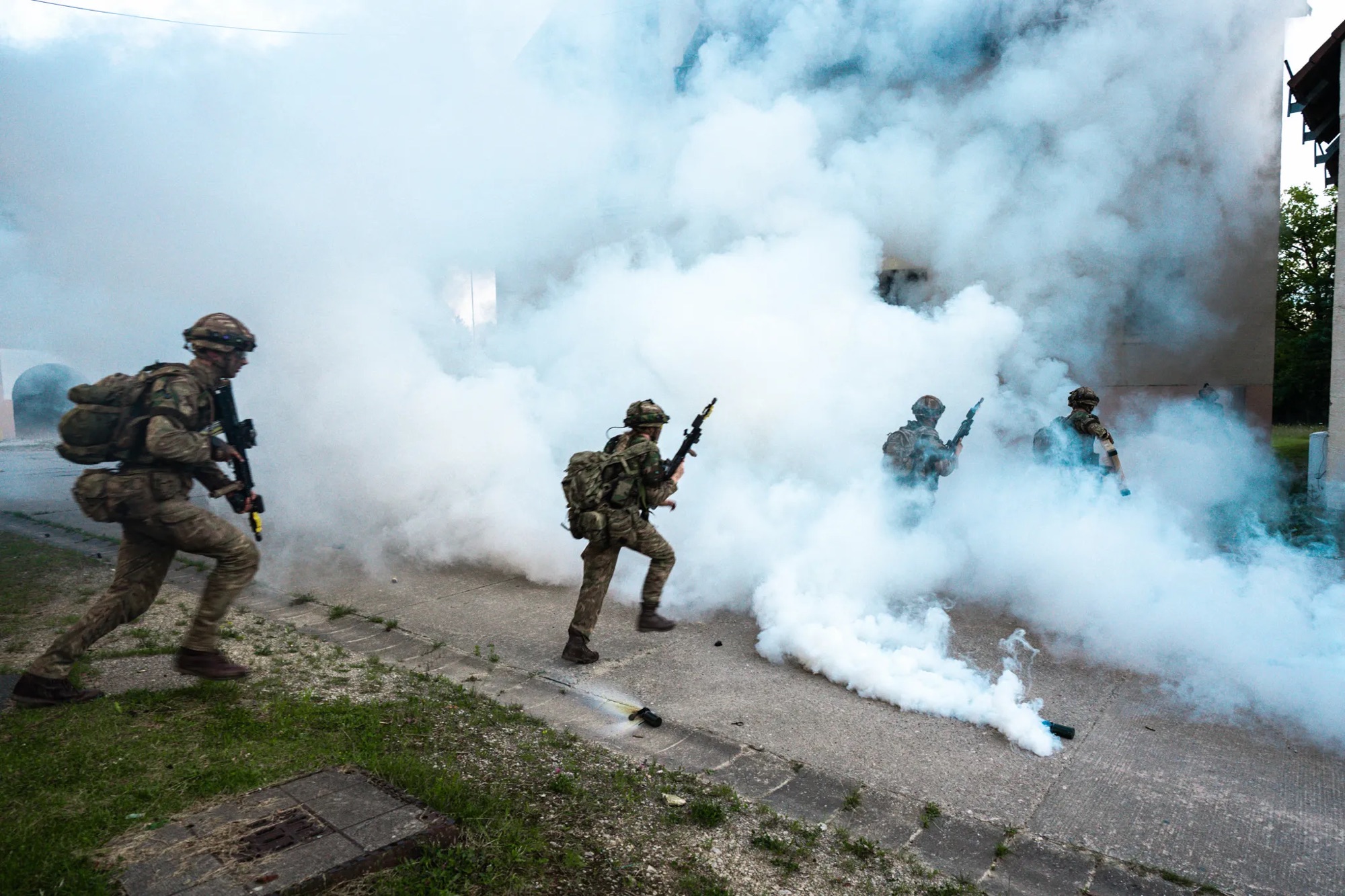
Photo: Spc. Leonard Beckett/U.S. Army. Public domain.

Privacy Not Guaranteed: How to Fight Back in a World of Cyber Spying
As companies and governments continue to impede and infringe upon our rights and privacy, we ask: how can you protect…

COP31: Our Last Chance at Climate Hope Continues to Be Stymied by Oil Covered Politicians
In a world of heavy, free-roaming carbon footprints, how do leaders choose to arrive to save the world from climate…

Jensen Huang Alleged Spy Affair: What You Need to Know
Nvidia CEO Jensen Huang has admitted to an affair with a woman accused of being a Chinese spy.
Leave a Reply