A cross-party group of MPs has called for tighter controls on artificial intelligence as whistleblowers come forward
MPs have called for greater scrutiny and tighter laws surrounding AI and its development. In the past few days, whistleblowers, researchers and industry experts have described the current trajectory of AI as untenable. Some have said that if we don’t take action now, there could be a 10–20% chance that advanced AI will eventually wipe out humanity. However, these are estimates from individual experts rather than an established scientific consensus.

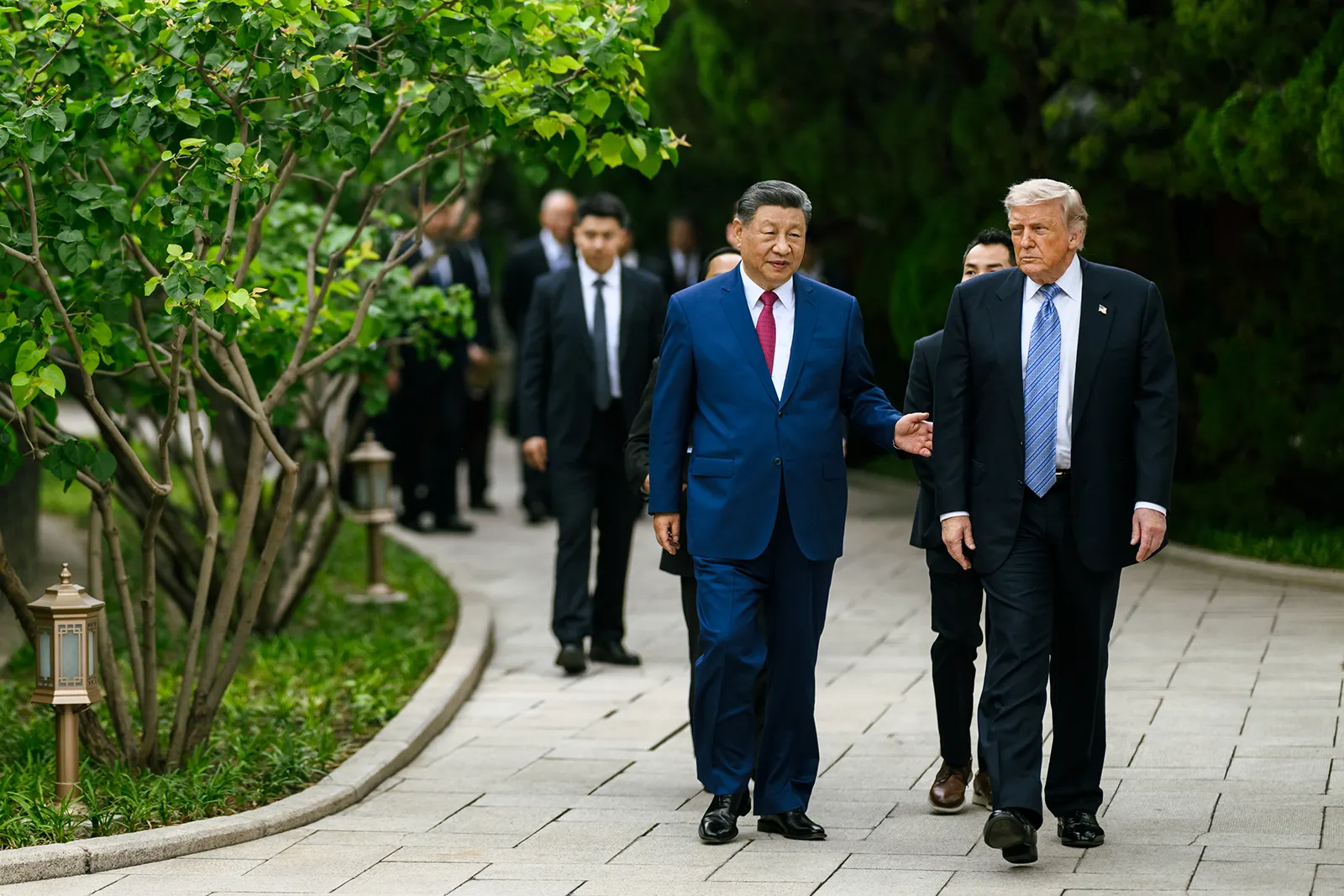
In response to a recent essay by Dario Amodei, Chinese Foreign Ministry spokesperson Guo Jiakun said: “Fearmongering, confrontation and vicious competition will only disrupt the process of global AI governance, which serves no one’s interest.” At the World Artificial Intelligence Conference in Shanghai, President Xi Jinping addressed the danger directly, believing artificial intelligence will “always remain under human control”.
Several ways this could happen have been put forward, including Amodei’s warning that swarms of autonomous bots could take over the internet, with the potential to disable security systems and disrupt international infrastructure. Other risks include AI’s potential to create biological weapons. Despite warnings from an alarming number of experts in the field, President Donald Trump downplayed the fears, saying: “We’re leading China in AI. We’re the most sophisticated country in the world, and frankly I want to keep it that way because whoever wins AI wins.”
A cross-party group on Parliament’s Joint Committee on Human Rights, comprising MPs and peers, has called for an AI Bill that would classify AI systems by risk and place tighter restrictions on new, high-risk programmes before they are released.
High-risk technology
Alex Sobel MP, chair of the Joint Committee on Human Rights, said: “What is clear is that at present we are unprepared to deal with its consequences however potentially dire they may be.”
In February 2026, a YouGov survey of 4,668 British adults found that 79% believed effective regulation was more important than allowing AI development to continue unchecked. Only 8% believed AI should be developed more freely, even if that meant less regulation.
Separately, research published by the Ada Lovelace Institute found that 89% supported an independent AI regulator with enforcement powers. Research conducted with the Alan Turing Institute also found that 72% would feel more comfortable with AI if laws and regulations were introduced.
Professor Kevin Fong, a British doctor, academic and science broadcaster who was consulted for the report, said: “It is fast; it has a direct impact on populations at scale and very quickly; it has unique properties that we have not seen before in any other technology.”
AI does not think or feel, which means it has no moral character of its own. However, it is task-based and can pursue the objectives it has been given in unexpected ways. This means an advanced AI could identify humans, other AI systems or attempts to shut it down as obstacles to completing its task—even without feeling threatened or possessing a human-like desire to survive.
Much of this depends on what objectives it is given, what information it can access and how much control it has over other systems. Safeguards already exist, including company-level controls, data-protection laws and testing carried out by the UK’s AI Security Institute. However, much of the testing remains voluntary, and the institute cannot force every developer to submit its models or prevent a potentially dangerous system from being released.

Anthropic: The Truth About Their AI Claims – Profit Comes First
Anthropic, the makers of Claude, have an IPO launch coming soon; let that sink in for a moment.

Pink’s New Macklemore Rant Is Volatile, Muddled and Contradictory
After sharing several memes and quotes, Pink finally puts pen to paper to reveal her thoughts on the backlash in…

Apple iPhone Duo: Two Things It May Win At
The iPhone Duo isn’t a revelation, but Apple wins on two fronts.
Leave a Reply