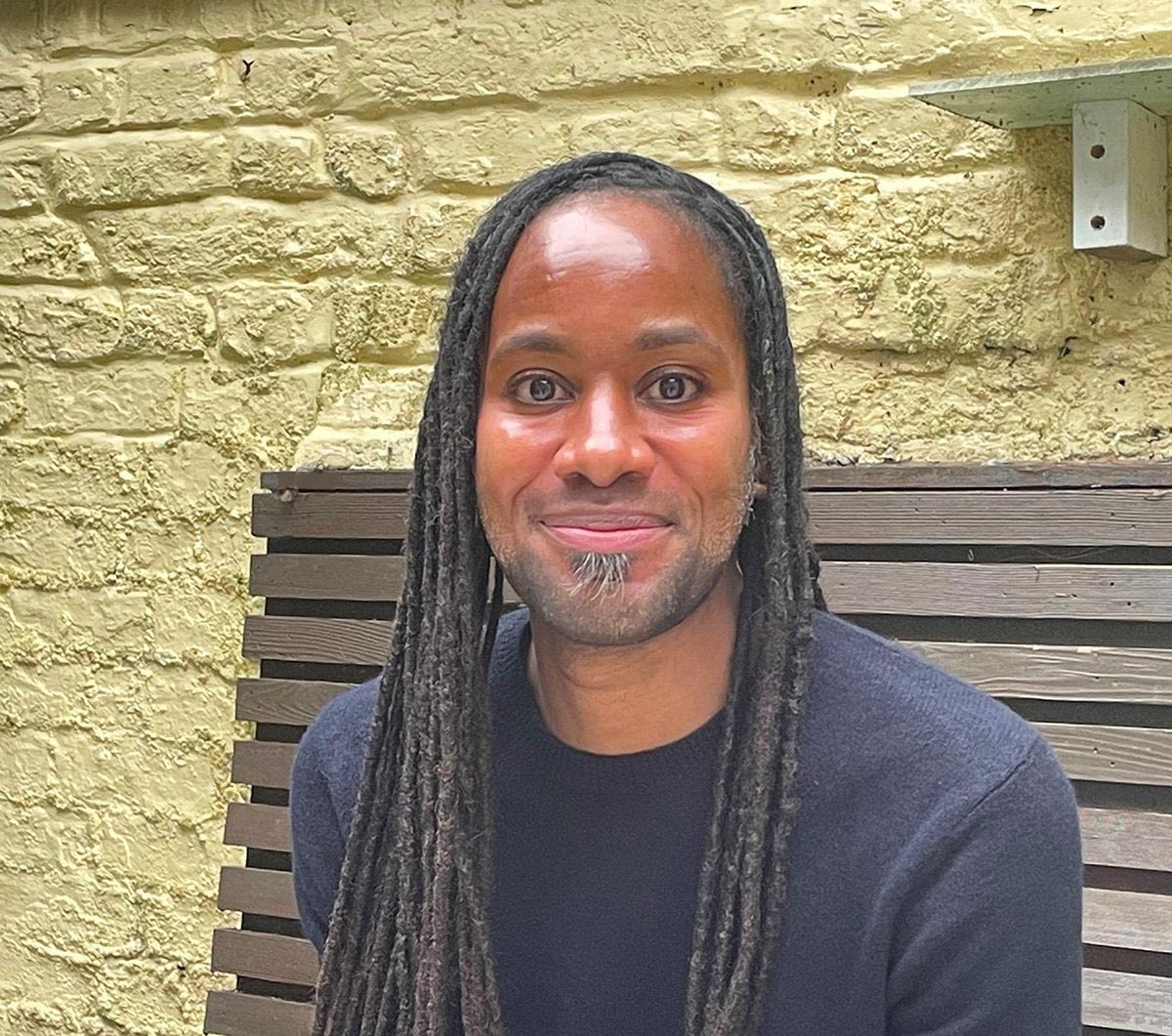
Opinion: Jason Arday was unquestionably targeted by an insatiable media machine while other academics sidestepped the news circus
Page updated: 23 August 2026
Instigators of the campaign against Jason Arday will likely fail to see any form of challenge to their disgusting accusations of plagiarism against the late Cambridge professor. The fact of the matter is, much of the warring press that made Arday’s position untenable did so in such a rage that it pushed the academic into an incomprehensible position of mental exhaustion. While other academics sidestepped the media circus, other figures, including academic racists and proponents of eugenics, escaped any and all forms of crucifixion.
READ MORE: News & Opinion At Stanisland Magazine
Plagiarism Claims
Jason Arday’s first encounter with the press came from claims of plagiarism, leading to an exorbitant and unnecessary amount of coverage. Following these accusations, hundreds of articles were published across 15 UK outlets, many of them confrontational.
The Newspaper Effect
Those who orchestrated a hostile environment for Jason Arday include several mainstream newspapers, including The Times and Sunday Times (44), The Telegraph (43), Daily Mail (38), The Independent (24), The Spectator (21), The Guardian (19), and Daily Express (12).
Nathan Cofnas
One of Arday’s critics was Nathan Cofnas, a self-described “race realist” and former University of Cambridge researcher and research associate at Emmanuel College. He was later removed from his position at Emmanuel College following controversy over his comments and writings on race. His writings included a call for a “hereditarian revolution”, and he claimed that, under what he considered a meritocracy, the number of Black professors at Harvard would “approach 0%”. He also wrote: “Blacks would disappear from almost all high-profile positions outside of sports and entertainment.” Cofnas’s philosophy promotes hereditarian ideas about racial differences that have attracted widespread criticism, placing his work a considerable distance from progressive research and conciliatory culture.
William O’Reilly Remains In Position Despite Plagiarism
Cambridge upheld a plagiarism complaint against William O’Reilly, a professor at the university who remains in his position despite evidence that he had copied material from students’ essays. This is substantial, as earlier plagiarism complaints against Jason Arday were not upheld by Liverpool John Moores University. Cambridge launched its own investigation, which it says is based on new information, but it failed to reach a conclusion before his untimely death.
Death and Response
Jason Arday’s death was preventable. Not only was he an autistic person, making him more vulnerable, but as a Black professor at an institution of supposed respectability, he was walking with a target on his back. There is nothing the media can do to right their wrongs; Arday’s life was the subject of scrutiny by jealous, envious, and racist thuggery. His children will not grow up to know the man he was, lean on him for support, or ask him the questions only a parent can answer. Despite this tragic loss, we’re hoping for a public inquiry; whether one comes or not is another question.
Timeline of Events
PhD awarded
Jason Arday receives his PhD from Liverpool John Moores University (LJMU)
Cambridge appointment
Arday joins the University of Cambridge as Professor of Sociology of Education. Following his appointment, he is widely reported in the media as the youngest Black person to become a professor at Cambridge.
William O’Reilly
In a separate event, William O’Reilly is accused of copying material from an undergraduate student’s essays. A tribunal finds that he copied existing material, but he remains in his position at the University.
O’Reilly Faces Further Allegations
The university’s newspaper, Varsity, reports further examples of verbatim copying from earlier publications. O’Reilly disputes the allegations and continues to work at Cambridge.
Jason Arday Faces Allegations of Plagiarism
A large dossier alleges Arday plagiarised much of his academic work. It is submitted to Cambridge and LJMU, with some reports claiming the dossier ran to nearly 97 pages.
Liverpool John Moores University Investigates the Claims
Liverpool John Moores University begins its investigation into Jason Arday’s PhD, but LJMU does not uphold the allegation that he plagiarised his work, believing it to be an “honest and reasonable error.”
Mainstream Media Begins Publishing Stories
The Times publishes allegations against Jason Arday, alleging similarities between his thesis and existing academic work. Nathan Cofnas, a self-described “race realist”, challenges Arday’s appointment at Cambridge University.
Media Coverage Explodes
Newspapers and media begin to probe Arday’s personal life and unnecessarily pick at his qualifications, university affiliations, sporting achievements and charitable fundraising.
The Guardian Publishes Story
The Guardian publishes its own investigation into the allegations and other claims surrounding Arday. It also reports that LJMU concluded he had not plagiarised his PhD.
Cambridge Announces Its Own Investigation
After claiming to have received new information regarding Arday’s qualifications and honours, the institution launches its own investigation, but fails to reach a conclusion against him.
Arday Resigns
After the investigation is announced, Arday resigns from his position at Cambridge and continues to reject the allegations. In a statement he says that it “…should not be interpreted as a loss of faith in scholarship or in the values that first brought me to Cambridge. Nor should it be mistaken for an acceptance of the narratives that have surrounded me. It is simply the decision of someone who has reached the limits of what any person should reasonably be expected to endure.”
Personal Scrutiny Continues
Journalists investigate his childhood and accounts of being non-verbal; some do not support Arday while many others do.
Media Backlash
Following Arday’s death, the public calls for an inquiry into the media and Cambridge’s handling of the situation. Cambridge defends the support and security it offered to Arday, while both the public and Arday’s family scrutinise the level of attention brought to the situation.
Jason Arday Dies
Arday is found unresponsive at his home in Battersea. His death is later confirmed at the age of 41, and police say they’re treating it as unexpected but not suspicious. He leaves behind his wife and two children.

Anthropic: The Truth About Their AI Claims – Profit Comes First
Anthropic, the makers of Claude, have an IPO launch coming soon; let that sink in for a moment.

Pink’s New Macklemore Rant Is Volatile, Muddled and Contradictory
After sharing several memes and quotes, Pink finally puts pen to paper to reveal her thoughts on the backlash in…

Apple iPhone Duo: Two Things It May Win At
The iPhone Duo isn’t a revelation, but Apple wins on two fronts.
Leave a Reply