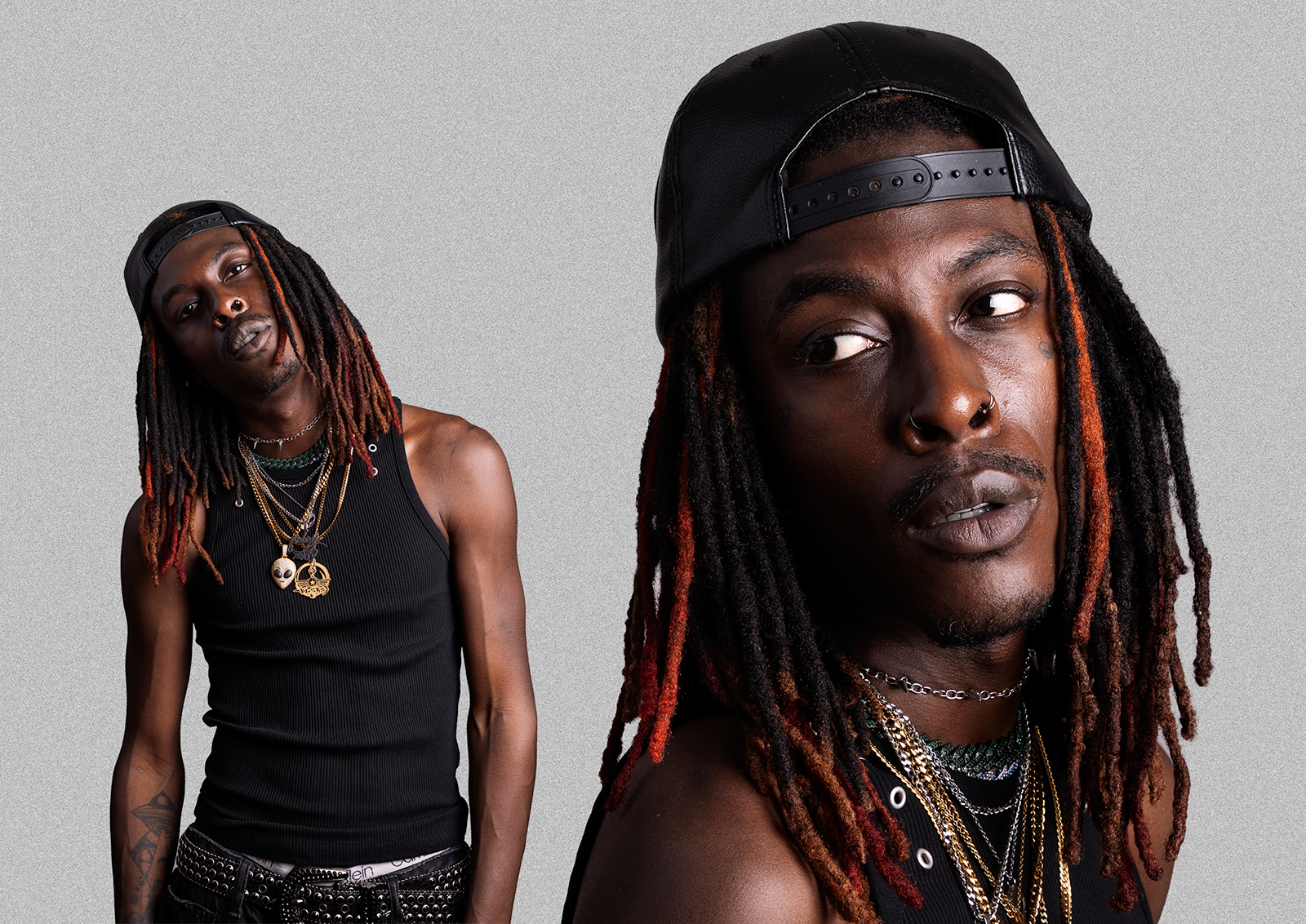
US/UK rapper Young G Star opens up about his music, favourite tracks and hip-hop influences
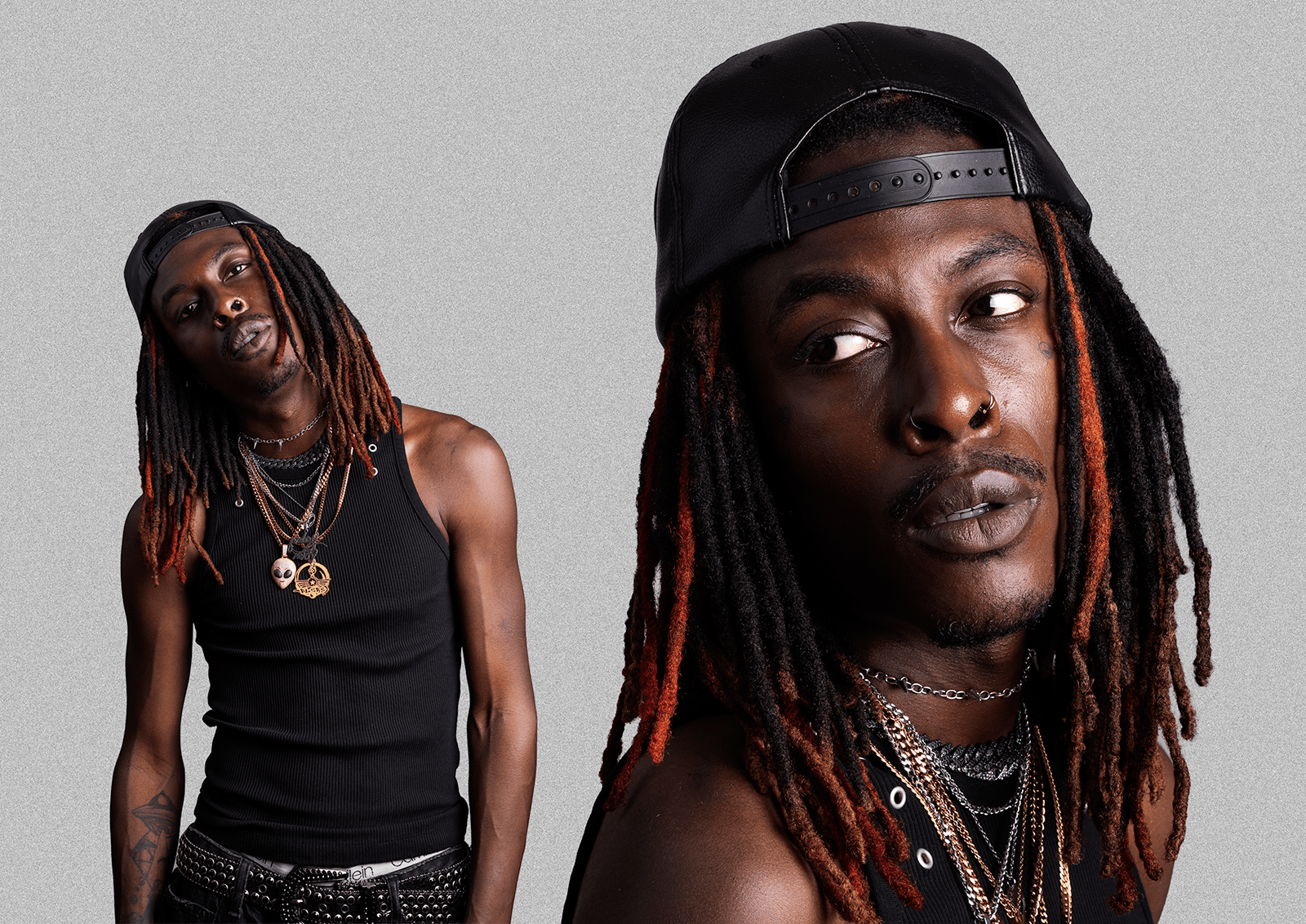
From across the globe, Young G Star has traversed a number of places, two of them being the US and UK, the rapper’s two home nations. With a number of projects under his belt, he continues to pursue a style with entertaining style. Stanisland Magazine caught up with the alien man himself and found out everything you need to know about the hip-hop Space Tourist.
First things first, where are you from?
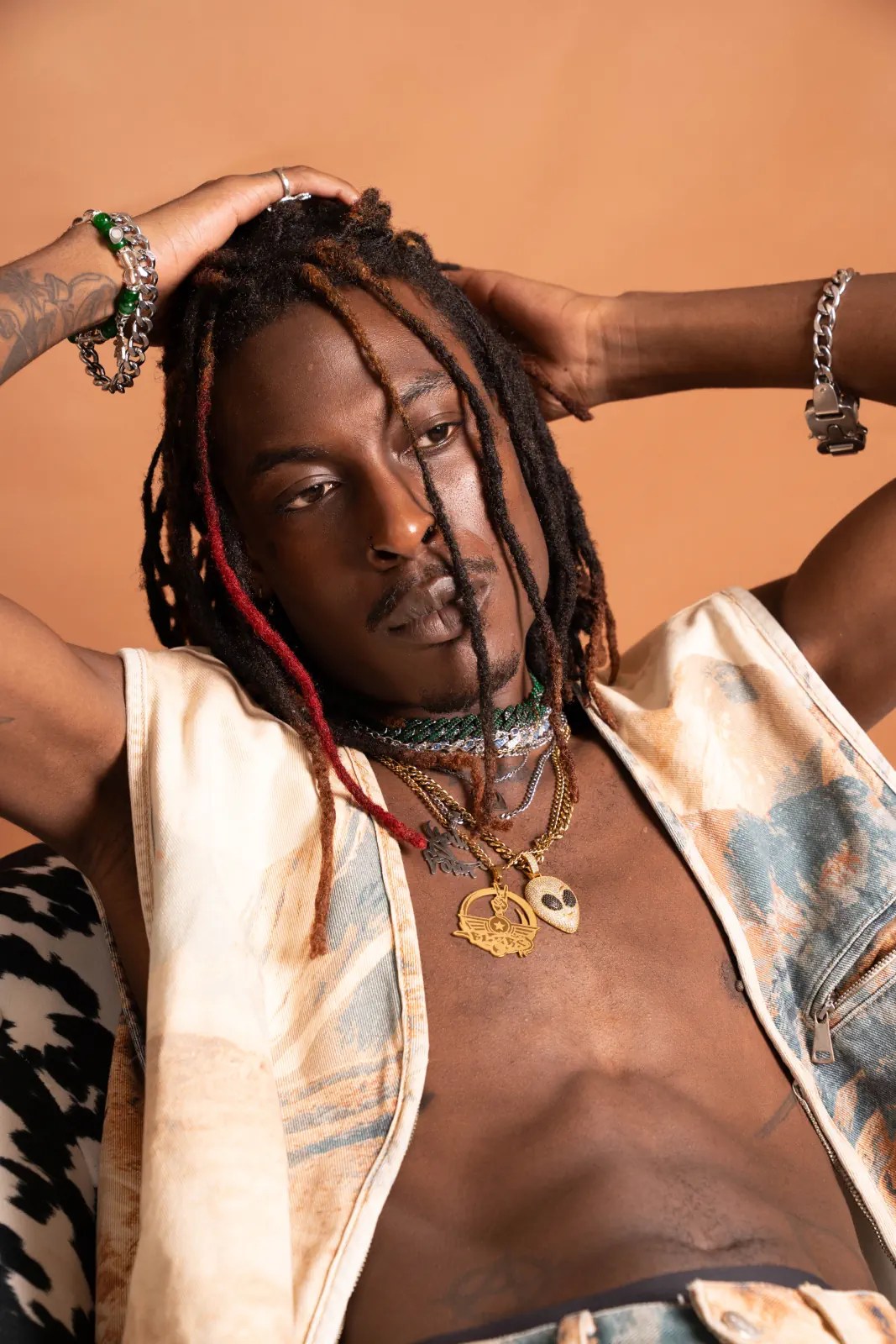
“That’s always a difficult question for me because I don’t really believe in being limited to one place.
London is one of my homes. My dad’s side are from London and the Caribbean, and my mum’s side are predominantly from the East Coast, the DMV and Kenya. I’ve grown up moving between different places and cultures, so I’ve never really looked at identity as something that has to fit neatly inside a border.
I’m from Maryland, I’m from London, I’m connected to Kenya and the Caribbean, but if you ask Young Gstar where he’s really from, I’d probably tell you outer space.
I think we’re entering a time where being an artist doesn’t have to mean being tied to one city or one scene. The world is becoming super interconnected, and there’s a whole generation growing up kind of a culturally international mosaic from day one without even realizing.
That feels very natural to me. I’m more a new-age, transatlantic, international kind of artist. I’ve never wanted to be boxed into “US rapper” or “UK rapper.” I’d rather make music that can belong anywhere while respecting and paying homage to the origins of where my sound derives.”
What brings you to the UK?
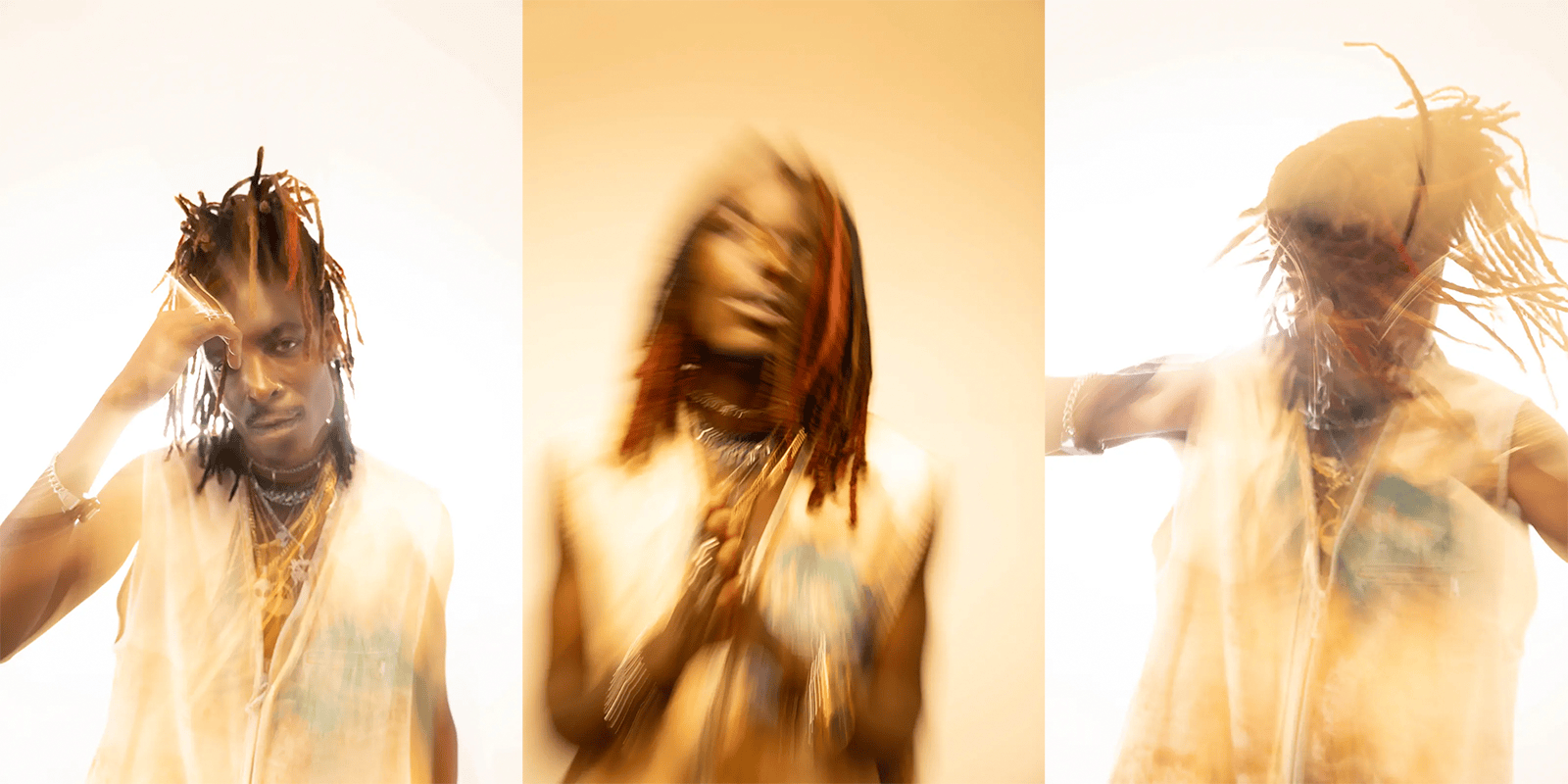
“London is one of my homes, so I don’t really experience it as being away from home.
There’s also something about the energy here that suits me. London has always felt like this massive collision of cultures, sounds, fashion, art and personalities. You can walk down one street and feel like you’ve travelled through five different countries.
That’s probably part of why I feel so comfortable here. I’ve never really wanted to exist inside one cultural lane. London is a melting pot of the world, you meet all types of people and you can get around easy.”
What differences do you see between the US & UK scenes?

“There are obviously differences in sound, slang, industry and culture, but honestly, I’m becoming more interested in how much those boundaries are disappearing.
The younger generation is listening to everything. Someone can grow up with Atlanta trap, UK grime, UK/US Drill, Afrobeats, punk, EDM, Japanese electronic music and whatever they discovered on the internet that morning. Nobody needs to explain why those things belong together anymore. It’s just the feeling. That’s exciting to me.
I think we’re moving into a period where artists can build communities around a sound, an aesthetic a mentality or anything else that connect them rather than simply being from the same place.
So I never really spent too much time figuring out whether I’m “US” or “UK.” Or which I prefer better. I’m interested in what happens when you stop asking that question altogether.”
How long have you been spitting and what inspired you to start?

“Technically, I’ve been rapping since I was about eight. I made my first little mixtape in 2012, which is funny to look back on now because I was literally a kid just putting things together and thinking I was the hardest dude alive.
I started releasing projects properly around 2015, and that’s when it became a little more serious.
I’ve always consumed music, films, games, animation, comedy, fashion and internet culture in a pretty obsessive way, so eventually I wanted to stop just experiencing other people’s worlds and start creating my own that other people could live in and experience.
I think that’s really where Young Gstar came from. I had all these different influences and ideas in my head and music became the first way I could actually give them a physical form.”
Your sound has an eclectic pattern, how would you describe it?

“I’d describe it as Astro Noir, or BLZRSwave, maybe just Young Gstar music. Hip-hop is definitely part of the DNA, but I’ve never been the one to treat genres like borders. There’s trap, EDM, pop-punk, electronic music, psychedelic sounds, darker alternative stuff and probably things I haven’t invented a name for yet or discovered! A lot of it comes down to atmosphere. I want my music to feel like you’ve entered somewhere.
There’s darkness, nostalgia, space, rebellion, euphoria and a sense of being an outsider, but there’s usually a brightness, hope or fun time underneath all of it. I like making music that gives people somewhere to go.”
What song(s) should listeners start with to become more acquainted with your music?

“I’d probably give them a little tour rather than just one song. “Party ’Til We Fall” is definitely one of the first ones. That’s probably the easiest doorway into the more euphoric, chaotic side of what I do, and it’s become one of my biggest records, with over 350,000 Spotify plays now.
Then “WAVEZ (Fláida Forever)” because that shows another side of me. It’s more melodic and romantic, but still has that blend of hip-hop, pop and electronic music. That one has also crossed the 300,000 mark on Spotify and has had a really interesting life internationally.
Pariah is my rebellion record, that one is for my outcast, my rebels, the ones you never quite fit in. It introduced a darker tone and themes to the universe. Then I’d go to “On The Moon”, which starts moving more into the spacey, futuristic side of the world.
And “The Breeze” is one I’d give to somebody who really wants to dig into the catalogue. It’s from The Cloudy Cafe era, and it captures a different, more hazy version of me. There’s also some new stuff coming that I think will make people understand where all of that has been heading.”
Splitting your time between the US & UK must influence your music; what impact has it had on your music?

“Definitely, but I think the bigger influence is that I’ve never felt like I had to choose.
Being between places teaches you how artificial some cultural boundaries can be. You realise you can take something from one environment, something from another, throw in your own experiences and end up with something that belongs to neither place completely. That’s basically how I approach music.
It’s also made me realise how international an artist can actually be now. You can make something in London, have somebody discover it in Manila, collaborate with somebody in New York and have someone in Rio de Janeiro relate to the same song.
That’s a very different world from the one the traditional music industry was built around. And I think that’s where I naturally fit.”
Given the state of the music industry, how do you perceive rapid changes, and how do you adapt to it?

“The industry changes so quickly that trying to predict it is almost pointless in my opinion. You can only chase and ride waves for so long before you gotta learn to generate your own.
I think the important thing is learning how to use the new tools without becoming controlled by them. Artists have way more direct access to their audiences than ever before. You can build a whole world around yourself now without waiting for somebody in a boardroom to decide you’re worth investing in. That’s powerful.
But I also don’t want the algorithm becoming my creative director. I still want the music and the vision to lead. There’s a risk in being bound to the platforms and tools we use. For me, the internet is a spaceship or like a portal, not a destination. I’m using it to take or send the art somewhere.”
What’s your favourite track you’ve recorded?
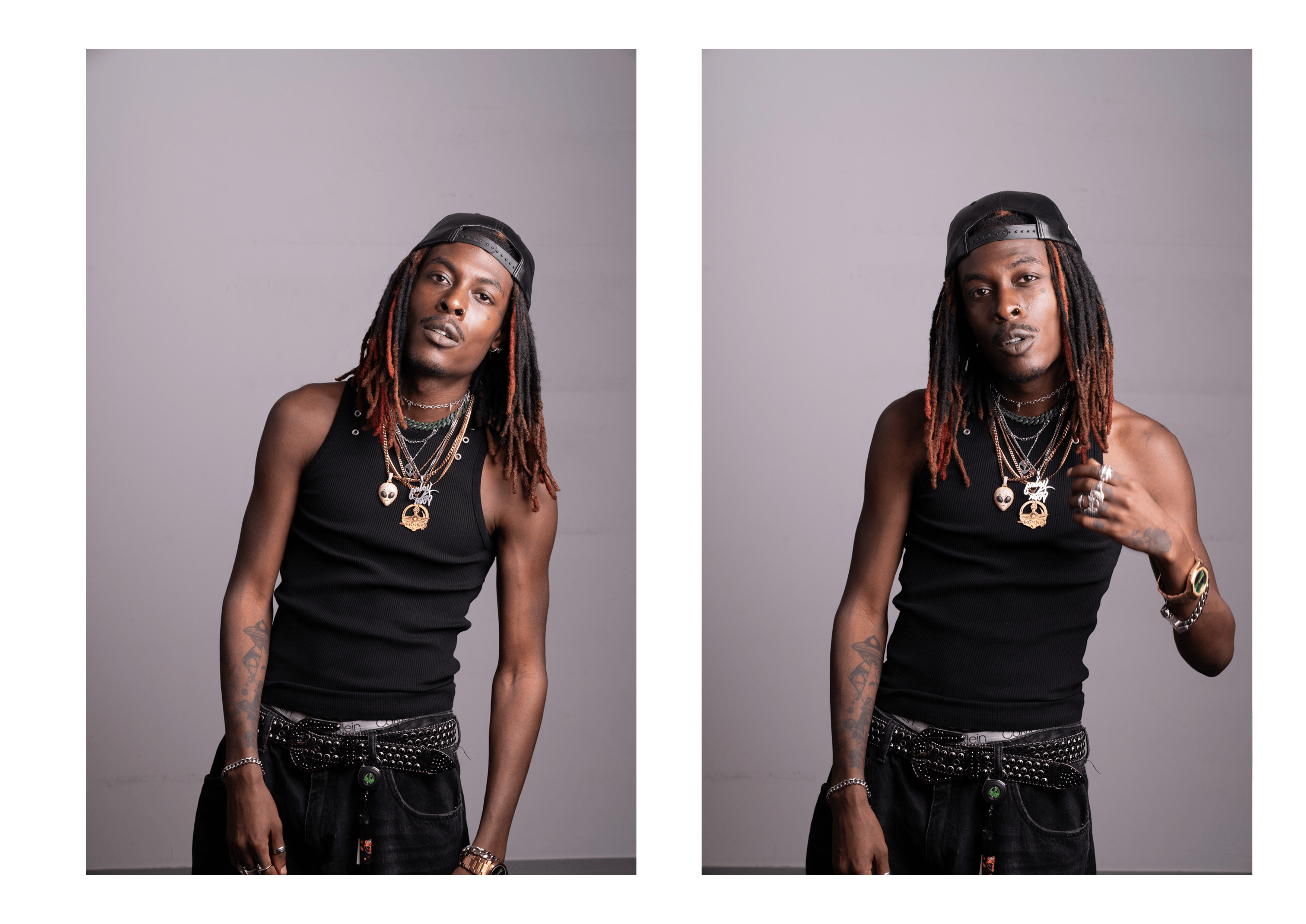
“That’s a horrible question because it changes all the time. Right now I’m probably most attached to some of the newer material because I can hear where everything is going. There’s a record I’m developing called “GHOST” that I’m really excited about. It’s part of this darker, more mysterious side of the next chapter.
I don’t want to give too much away before it’s ready, but it’s very definitely a dope comeback record I think people will dig.
I’ve got a lot of music where the trippy imagery is really just a way of talking about real life. That one is definitely in that pocket.”
What’s your plans for 2027 and is there an album in the works?
“2027 is about expansion. I’ve spent a lot of time establishing what I actually want Young Gstar & BLZRS to be, and now I want to push the world further. Bigger records, bigger visuals, more shows, more international movement and projects that feel like complete experiences rather than just a collection of songs.
There’s definitely a larger body of work developing. I’m not interested in putting out an album just because you’re supposed to have an album. When I do it, I want it to feel like an event.
I also want to keep developing the culture around the music. BLZRS has always been bigger than just me dropping songs. It’s about a mentality: creativity, freedom, individuality, refusing to let somebody else define the limits of your world. So 2027 is really about taking that further.”
Do you have any upcoming shows?

“I’m working on the next run of shows now. The live side is becoming a much bigger part of the vision because that’s where the music really changes form. You can listen to a record alone, but when you put everybody in the same room, it becomes something else.
I want the next run to feel bigger, stranger and more immersive. So yeah, there’s definitely more coming. I’m not planning on staying quiet for much longer.”

Interview: Michelle Kash is Introducing a Fresh Sound to Pop
LA-based pop singer Michelle Kash stepped up to the plate and chose the whole table. The musician talks to Stanisland…

Maliibu Miitch on New Single ‘Wif3y’, Creative Control & Her Debut Project
As rapper Maliibu Miitch prepares to release her debut project, the New York-based hip-hop artist is already tearing it up…

The Philosopher Interview: UK Rapper Talks Hip-Hop and Manchester
Rapper The Philosopher returns to cook on his latest single "suffice", serving up a stove-top helping of insatiable hip-hop.
Leave a Reply