Nidal Hasan will be executed publicly by firing squad: what does this mean for US law?
The United States Government has indicated it will allow the upcoming capital punishment of the Fort Hood shooter to be live-streamed, drawing both praise and condemnation from across the political spectrum.

The Attack: What Happened?
The shooter, US Army psychiatrist Nidal Hasan, carried out the shooting at Fort Hood, saying he wanted to prevent US Army troops from deploying to Afghanistan. The attack killed 13 people and injured 32. Investigators confirmed he was in contact with an extremist cleric, Anwar al-Awlaki.
Following a trial, Hasan was sentenced to death in August 2013. His execution was later approved by President Donald Trump in October 2026. His execution is scheduled to be live-streamed on 3 December 2026 in Texas at 13:00, with access expected to be announced later, and will be the first US military execution since 1961 and the first by firing squad since 1945.
Condemnation
Human rights advocate Kyinzom Dhongdue has called the execution “deeply disturbing”, saying it shows a “disregard for human dignity”, and describing it as a “public spectacle”. Military law expert Eugene Fidell said the decision to conduct the execution in public “would be extremely, extremely strange”. In 2025, Amnesty International recorded at least 17 public executions in Iran and Afghanistan, making such an execution more in line with the very people they claim to oppose.
Support
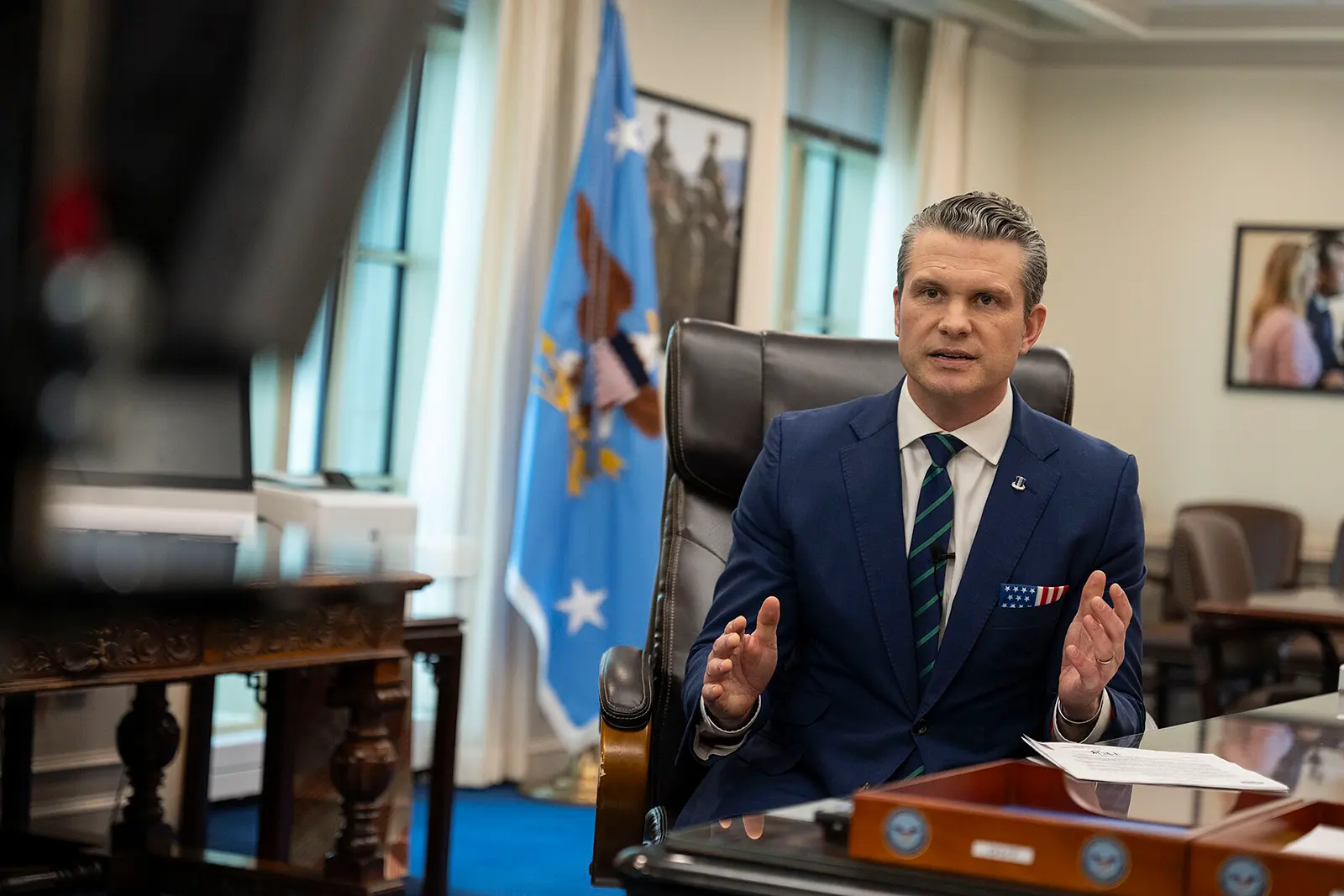
Deborah Denno, a legal scholar at Fordham Law, believes livestreaming would provide more transparency on capital punishment, though the same has not been applied to any other death row inmates. Pete Hegseth, the most vocal proponent of the public execution, believes Hasan’s execution should be by a “firing squad of soldiers, as it should be.” He further explains his reasoning, saying: “because people need to understand that there’s serious consequences for these types of things,” before saying he likes the “mentality we had in World War II.”
The Stanisland Magazine Verdict
There is no disputing that the actions of Nidal Hasan were extremist in nature; the question arises as to whether his ethnicity and beliefs influenced his punishment. Hegseth has explicitly described Hasan’s attack as a “radical Islamist attack,” while continuing to describe military actions as putting on the “full armor of God,” and later made clear that his discourse is religiously influenced: “while we wage physical war, we all know the real battle is spiritual,” he said on 30 September 2026.
While we cannot compare an equivalent case, among those on military death row is Timothy Hennis, a white inmate who was convicted in 2010 following a 1989 acquittal. He remains on death row and is currently awaiting his execution date. The most pertinent question to ask now is: why has Hasan’s execution been scheduled first and why is it being publicly broadcast? The precedent it sets risks sending the message to both Muslims and non-white people that they are second-class citizens.

Muslims Continue To Experience More Hate and Media Bias
Islamophobia: Muslims make up the majority of reported religious hate crimes in the UK as biased reporting continues to climb.

UK Government Terror Order Had Strong Influence on Man’s Death
Latest inquest found that 35-year-old Aktar Uddin from East London died after a UK government terror order had a substantial…

RAF Fairford Latest: US Confirms Withdrawal of Bombers
The US has confirmed it has withdrawn all its bombers from RAF Fairford following an alleged terror plot.
Leave a Reply