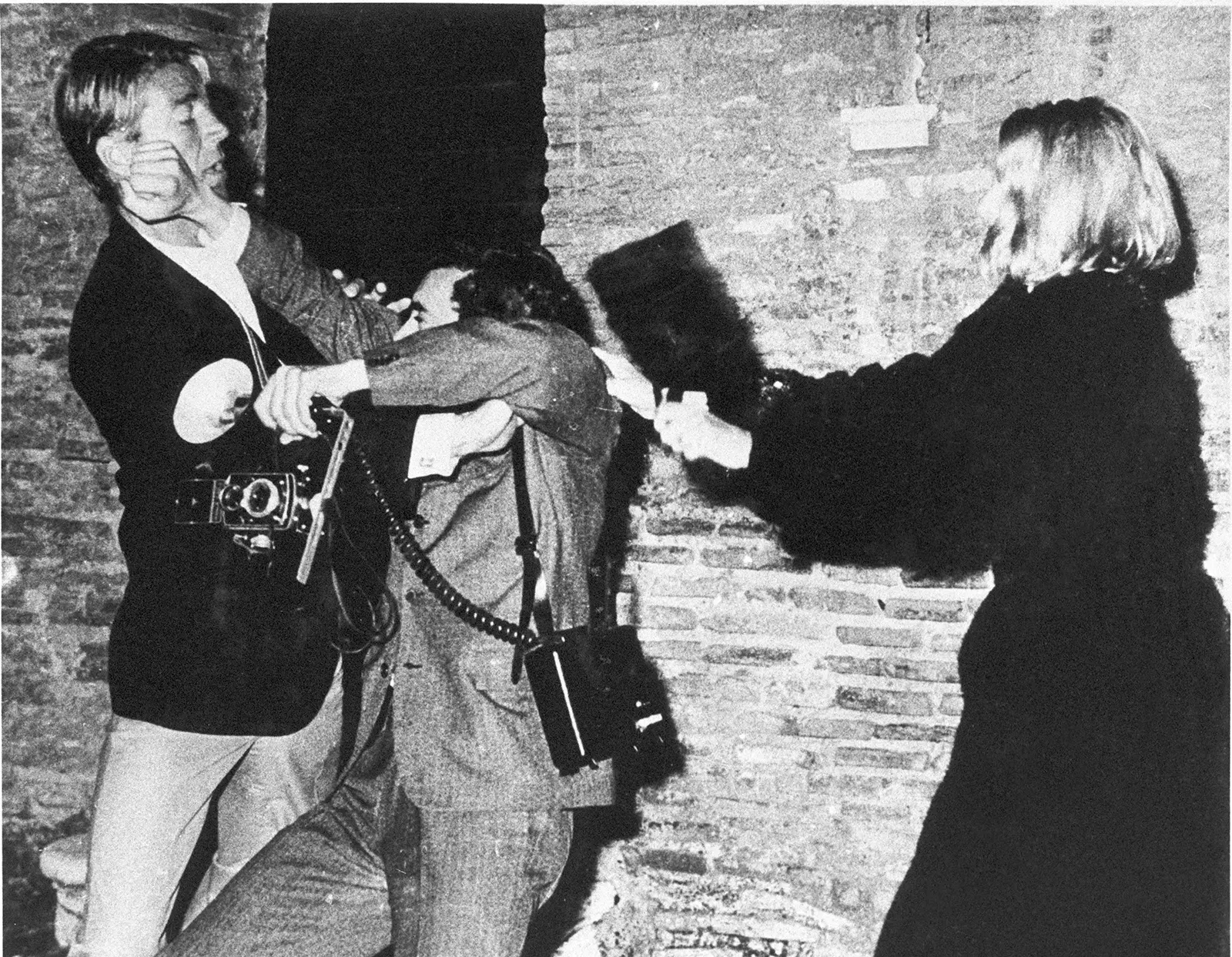
We all deserve privacy and protection from unsolicited viral profiteers, and public support is strong
You’re out in public and some nimrod decides it’s time to start filming content for their YouTube channel. And guess what? There’s nothing you can do about it. Ray-Ban Meta glasses will only make the problem worse, but it’s not just an issue reserved for wearables. We’ve all been there. Some flaccid-brained fool decides to whip out their phone for a myriad of reasons; perhaps they feel aggrieved or are filming in general for an art project. But does that give them the right to begin capturing your face on camera? Well, a chunk of the UK believes the answer is no. Prank videos are cliché; point-of-view (POV) videos are so on the nose now, they’re cringe, but above all, bad form if you’re recording without informing the person(s) involved. Especially if those videos go viral and are of no benefit at all to the subject of said media.

Public Support
A YouGov poll from 2026, which surveyed 6,444 adults, found that 70% of participants believe it should be illegal to film someone without their consent and share the footage on social media, while 15% say it should be legal. The question posed was whether they felt it should be unlawful to film someone and then post the footage to social media.
The question isn’t whether we should ban filming, but whether someone — barring a crime — can refuse to be filmed by someone for personal gain, be it financial or otherwise.
Examples of Privacy Abuse
Peck v UK (2003): CCTV footage of a man attempting to commit suicide was broadcast. The European Court of Human Rights ruled that his privacy rights were infringed.
2025: A Black schoolboy was forced to kiss another teenager’s muddy shoe whilst being filmed by a bystander. The footage went viral after it was shared on social media.
YouTube creators infiltrated accommodation housing asylum seekers in Leicestershire, filmed its residents and posted the location online. An investigation has been launched.
In 2026, a woman was covertly filmed using Ray-Ban Meta smart glasses, later discovering that footage of her had been posted to social media. When she asked for the video clip to be removed, she was told it could be removed if she paid the content producer.
The CCTV Argument
Yes, CCTV exists, because that’s a mechanism to protect and document for legal security. Whipping out a camera to share footage online is, by and large, fruitless if it’s not in the public interest.
These are two very distinct motivations, and those who own CCTV should be prohibited from sharing that footage unless it involves a crime.

Interestingly, the government agrees and says that sharing surveillance recordings beyond personal property is subject to data protection requirements and that posting it to social media is “inappropriate”.
The same can potentially apply to being filmed without consent, and that GDPR laws may apply, but whether they’re enforced is another reason.
Around the World
In Germany, Sections 22–23 of the Kunsturhebergesetz prohibit the publishing of identifiable portraits without a person’s consent, with exceptions for journalism and crowded spaces such as events.
French law is similar under what’s known as droit à l’image, which gives individuals the right to their image. In 2005, Japan’s Supreme Court ruled that one cannot be photographed without good reason.
Similar protections exist in Spain, Switzerland and Quebec, Canada. So why can’t the UK get it together?
We’re not living in the 1990s anymore — things have changed. Whether you’re at home or on the Tube, we all deserve privacy. Once you upload a photo of a stranger to social media, suddenly their privacy evaporates at home, too. Because now, they feel violated whether they’re within their own walls or in public.

Nigel Farage & Rupert Lowe Are Anti-Muslim Hate Actors of the Highest Order
Farage and Lowe's anti-Muslim rhetoric is based more on personal prejudices than on a factual basis.

MI5’s Latest Warning Raises Concern of Far-Right Attacks
MI5's top spy, Sir Ken McCallum, has warned that an attack is highly likely from extremists, including the far right.

Brexit: New EU Referendum Will See Russia Prey on a Vulnerable UK Society
Russia will be licking its lips at the prospect of another EU referendum, and Britain is not ready
Leave a Reply